
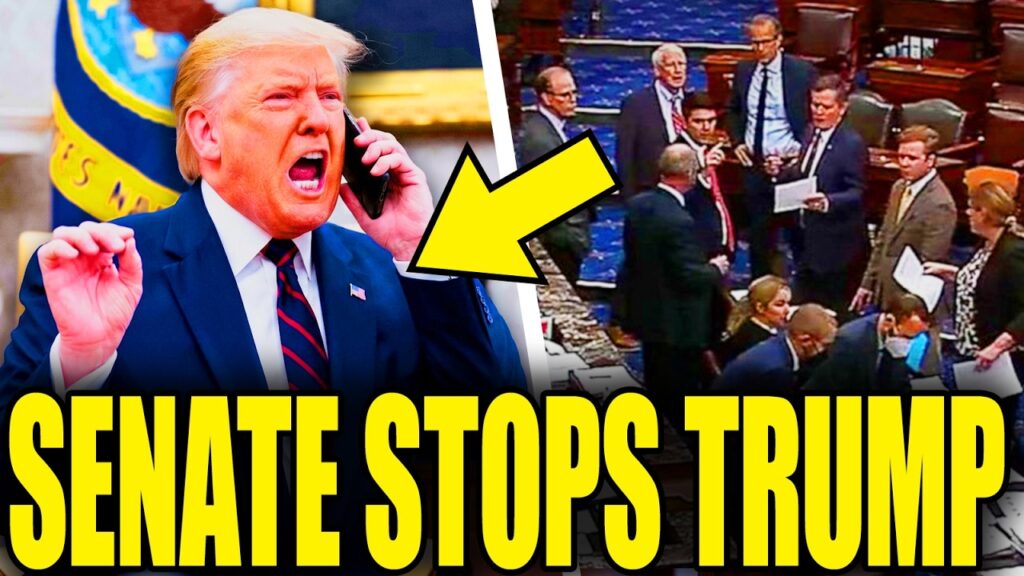
Donald Trump has launched a scathing attack against his own Republican party following a Senate revolt that has stalled emergency power initiatives intended for the upcoming midterms. Amid accusations of betrayal and fear of electoral losses, the tension within the GOP is palpable as Trump’s influence faces an unsettling challenge.
This latest barrage comes as Senate Republicans proposed a staggering $1 billion for upgrades to White House security—measures that have ignited an intense dispute regarding whether funds would include the construction of Trump’s controversial ballroom. Senator Chuck Grassley, who spearheads the Senate Judiciary Committee, insists that the proposed funding is strictly for security enhancements related to the modernization of the East Wing—yet clarity is lacking, particularly about Trump’s aspirations for his lavish ballroom.
Compounding the chaos, last month, a federal judge halted above-ground work on Trump’s ballroom unless Congress specifically authorizes it. While the appeals court stays this order, the ongoing legal battle over this extravagant project raises questions about the true motivations behind the Senate’s funding proposal. It is clear that Republicans are simultaneously grappling with national security concerns and Trump’s vanity projects, complicating an already fractious political landscape.
However, Trump’s ire does not solely rest on the ballroom funding; he is deeply troubled by the Senate’s reluctance to advance the Save Act, designed to tighten voting regulations. He perceives this hesitance as a direct threat to his grip on the Republican party, as various factions emerge within the GOP, casting doubts on his authority. Reports indicate that even staunch Trump supporters are now voicing frustration, with many feeling disillusioned by his leadership and the Republican agenda.
The crux of Trump’s frustration stems from a growing disconnect between him and the Republican base. Polls have suggested a decline in his support among core Republicans, much to the dismay of his closest allies. Many Republican voters are concerned about high inflation rates impacting their day-to-day lives, and thus they are questioning Trump’s previous promises of change. This glaring disconnect may have dire implications for the upcoming midterm elections, which have now become a high-stakes battleground.
With the filibuster intact and Senate leaders hesitating to pursue the Save Act, Trump has resorted to publicly criticizing his party, urging Republicans to align with his vision or risk being labeled “foolish”—a clear attempt at consolidating power. Trump’s bold claims of having a perfect approval rating among Republicans stands in stark contrast to the increasing dissatisfaction brewing within the ranks. This contradiction only fuels speculation about the Republican party’s future direction.
The Save Act itself has been labeled controversial, as it mandates stricter voter identification measures that could disproportionately affect certain demographics, including the very voters the GOP relies upon. Arguments against the bill assert that it may hinder rather than help Republican voter turnout, further alienating potential supporters in competitive districts. Critics point to the blatant hypocrisy in the Republicans’ push for voter ID when the true objective seems to be suppressing votes rather than ensuring security.
As Trump intensifies his rhetoric, urging the abolition of the filibuster, the GOP faces increasing pressure not only from within but also from the Democratic opponents who are keen to capitalize on any instability surrounding the party. Furthermore, the lack of consensus on core legislative issues signifies a growing rift that could fracture the party’s unity as they approach a crucial electoral period.
Within the GOP, some members are starting to pivot towards more populist sentiments, distancing themselves from Trump while trying to build a coalition based on new ideas and leadership. There’s an emerging belief that the party must redefine its strategies in response to a changing electorate that is increasingly disillusioned with the status quo and seeks substantive change rather than mere allegiances to past leaders.
The landscape of politics is rapidly evolving, and as the midterm elections draw near, both Trump’s control over the Republican party and the party’s collective identity are being scrutinized like never before. With each passing day, the internal strife becomes more pronounced, as narratives shift and new alliances form, leading to unpredictable outcomes in the races ahead.
In conclusion, Trump’s latest political maneuvering serves as a reflection of the deep divisions plaguing the Republican party at this critical moment. As the specter of potential midterm losses looms large, the urgency to address these internal conflicts is amplified. The next moves by both Trump and the broader GOP will be instrumental in determining the future trajectory of American politics. The balance of power is precarious, and every decision could ripple through the electorate in ways that are yet to be fully realized. Cold calculations of loyalty and strategy are eclipsed by an undeniable sense of anxiety about what the future holds as the nation braces for these significant elections. The stakes have never been higher, and the implications of Trump’s actions may reverberate for years to come.
