
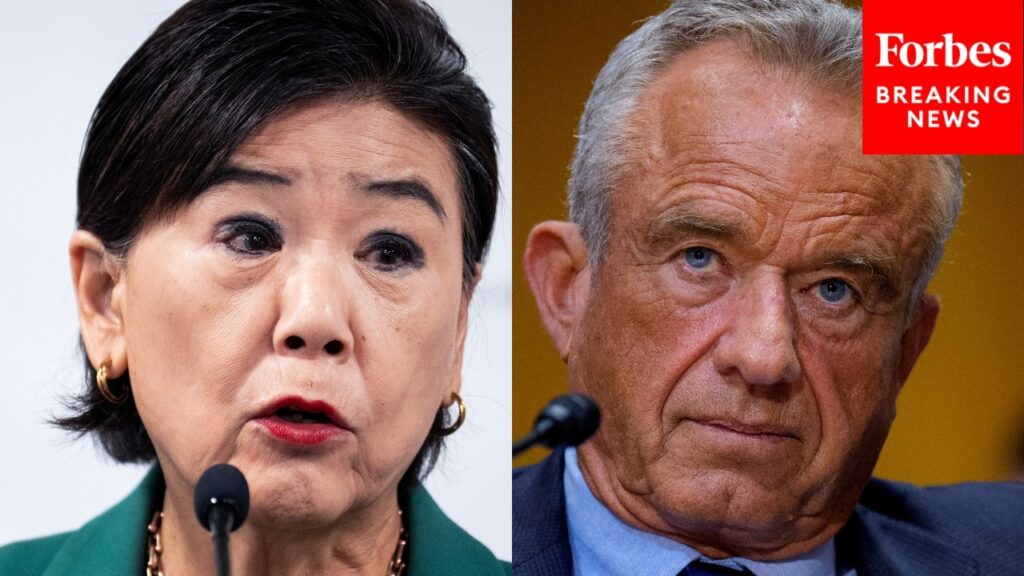
In a fiery congressional hearing, Representative Judy Chu has unleashed a blistering critique of Health and Human Services Secretary Robert F. Kennedy Jr., accusing him of waging a dangerous war on vaccines that threatens public health and skyrockets healthcare costs across America. His actions, including dismantling expert panels and sowing doubt, have sparked outbreaks and could lead to hundreds of preventable deaths, marking a crisis that demands immediate intervention.
Chu’s remarks cut deep, highlighting how Kennedy’s policies have reversed decades of progress, such as the hepatitis B vaccine protocol for newborns. For over 30 years, that simple measure slashed infections by nearly 99 percent, saving lives and cutting costs. Now, with Kennedy reshaping the CDC’s advisory board, recommendations have flipped, potentially unleashing a wave of new cases, liver cancer, and millions in added expenses that burden families and taxpayers alike.
This erosion of trust extends far beyond hepatitis B, with measles outbreaks exploding to levels not seen in two decades. The U.S. risks losing its measles elimination status, as vaccine skepticism fueled by the administration spreads like wildfire. In places like South Carolina, communities are reeling from surging cases, forcing hospitals to handle overwhelmed emergency rooms and ICU admissions that could have been avoided with basic immunizations.
Responding to Chu, witness Mr. Woodhouse didn’t hold back, calling for Kennedy’s immediate ouster. He described Kennedy’s history of peddling conspiracy theories as a profit-driven scheme that has turned public health into a disaster. “He’s profited from disinformation, linking vaccines to autism without evidence, and now it’s costing lives,“ Woodhouse said, pointing to the measles epidemic in Greenville as a direct result of this negligence.
The fallout isn’t just about vaccines; it’s exacerbating a broader healthcare meltdown. Chu shifted gears to slam Republican policies, like their so-called “big ugly bill,“ which is pushing hospitals to the brink. With Medicaid cuts and rising uninsured patients, facilities are slashing services just to stay afloat, making them ripe for predatory private equity takeovers that prioritize profits over patient care.
Private equity firms swoop in on distressed hospitals, transforming them into profit machines at the expense of essential services. This model is a mismatch for healthcare, leading to corner-cutting that endangers lives and drives up costs for everyone. Woodhouse echoed these concerns, revealing a map of 889 struggling hospitals, with closures already underway due to the bill’s impact, signaling a national emergency in the making.
As debates rage on Capitol Hill, the question looms: What can Congress do to reverse this tide? Experts urge swift action to restore independent vaccine oversight, rebuild public trust, and shield hospitals from financial predators. Without immediate reforms, the fallout could mean more outbreaks, higher taxes, and a healthcare system on the verge of collapse, putting every American at risk.
Chu’s call to action is clear: End the attacks on vaccines and protect public health before it’s too late. This isn’t just policy; it’s a fight for lives, with the administration’s missteps already exacting a heavy toll. Lawmakers must unite to undo the damage, ensuring that science, not skepticism, guides our path forward in this critical hour.
The implications are staggering, as a new JAMA Pediatrics study warns of delayed vaccines leading to tens of millions in extra costs and countless preventable tragedies. Families are left grappling with illness that could have been stopped, while hospitals face uncompensated care burdens that strain resources nationwide. This breaking story underscores the urgent need for accountability at the highest levels.
In the face of growing outrage, Democrats on the Hill are rallying for Kennedy’s resignation, viewing it as the first step toward healing. The administration’s silence only amplifies the crisis, leaving experts and citizens alike demanding answers and real change. As this unfolds, the health of the nation hangs in the balance, a stark reminder of the stakes involved.
Turning back to the hospital crisis, private equity’s role is particularly alarming, with distressed facilities becoming easy targets. Once acquired, these institutions often see service cuts and staff reductions, prioritizing investor returns over community needs. This trend, accelerated by recent policies, could reshape healthcare for the worse, making affordable care a luxury few can afford.
Woodhouse’s testimony painted a vivid picture of the chaos, noting that hospital closures are already happening pre-emptively due to anticipated funding losses. “We added the first pin on our map the day the bill passed,“ he said, underscoring the rapid deterioration. This isn’t hypothetical; it’s a real-time disaster unfolding across states, from Oklahoma to Nebraska and beyond.
Chu’s interrogation didn’t stop at vaccines; she linked it all to a broader 𝒶𝓈𝓈𝒶𝓊𝓁𝓉 on public welfare, urging Congress to act decisively. Restoring trust means reinstating expert panels, countering misinformation, and safeguarding funding for essential programs. The alternative is a future where preventable diseases surge, costs spiral, and the vulnerable pay the ultimate price.
As this story breaks, the urgency is palpable, with every delay costing lives and dollars. The American people deserve better than policies that undermine health and stability, and it’s up to leaders to step up now. This is more than news; it’s a call to arms for a healthier tomorrow, before the damage becomes irreversible.
