
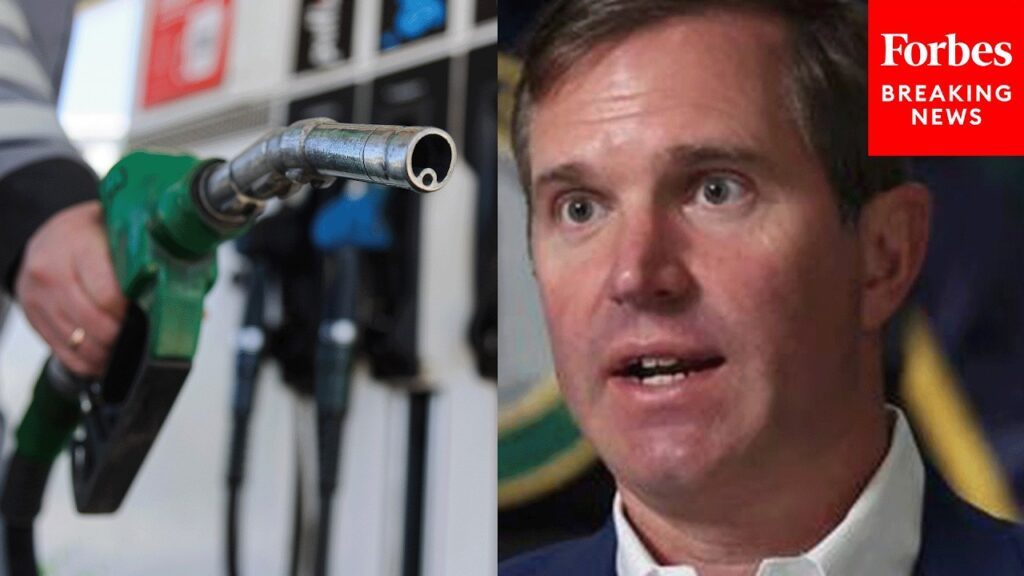
In a stark warning indicative of escalating economic tensions, Kentucky Governor Andy Beshear announced that inflated gas prices resulting from the ongoing war in Iran are poised to persist for “at least months to come.“ This news comes as gas costs surge, placing immense strain on Kentucky families.
Beshear emphasized the importance of governmental action, acknowledging the challenges ahead stemming from fluctuating fuel prices. Gas prices, he noted, are divided by communities, often leading to accusations of price manipulation by monopolistic wholesalers in certain areas, such as Louisville. The governor expressed a commitment to address these disparities while ensuring that any interventions do not lead to further price inflation statewide.
While local competition could theoretically help stabilize prices, Beshear feels immediate action is necessary. He proposed a temporary reduction in gas taxes by 10 cents per gallon, a move intended to alleviate pressure on citizens at the pump. Although this could have ramifications for state road funding and local government budgets, he argues that prioritizing family finances demands decisive measures.
Beshear affirmed his willingness to reverse these actions once gas prices stabilize. However, current circumstances offer little hope for immediate relief, with reports of disrupted shipping routes and dwindling tanker traffic exacerbating the issue. The governor noted that while typical maritime traffic through the Strait has significantly dropped, efforts to clear mines in the area could extend the crisis for months.
The projected timeline for improvements is troubling. Industry experts forecast that it may take up to six months before shipping lanes are fully cleared of navigational hazards, further extending the economic pain felt by American families. The prospect of continued high prices is alarming, particularly as federal interventions to curb costs appear uncertain at best.
Beshear pointed to historical price trends, highlighting that gas was under $3 per gallon before the war and recent tariffs. He stressed that prices exceeding $4 per gallon are unsustainable and detrimental to the livelihoods of Kentuckians. His administration is pursuing various strategies to mitigate the rising costs, though details remain vague as the situation evolves.
Alongside his initiatives, Beshear has called for federal support to maximize the impact of state efforts. Speculation suggests that if the federal government intervenes, prices could potentially see a decrease of roughly 28 cents per gallon.
In a push for expediency, Beshear’s office is coordinating with the state attorney general to expedite the approval process for proposed tax reductions. Should approval proceed as anticipated, relief could be available by as early as May 11. This effort seeks to minimize the fiscal burden on citizens grappling with skyrocketing prices.
The urgency of the situation cannot be understated, as Beshear reiterated the need for prompt and practical action. As gas prices strain household budgets, the fear of further economic instability looms like a dark cloud over Kentucky, prompting calls for immediate responsiveness from both state and federal entities.
Local officials and residents alike are bracing for the potential fallout. Communities are concerned that prolonged high prices could lead to an increase in transportation costs for essential goods, further trickling down economic ramifications. The widespread fear is palpable and underscores the immediate need for effective governance amid troubling international developments.
As this crisis unfolds, the governor’s office remains vigilant, monitoring global events for their potential impact on local economies. The situation is fluid and fraught with uncertainty, necessitating a united front to counteract the dire consequences of rising energy costs.
In the meantime, families across Kentucky are left to navigate this uncertain landscape, with many destitute at the thought of escalating costs. The economic pressure serves as a reminder of the profound interconnectedness of global politics and local economies, with citizens now facing the brunt of decisions made far from their homes.
With ongoing reports about the conflict in Iran and its implications reverberating across markets, the urgency for intervention cannot be overstated. Governor Beshear’s warning serves as a clarion call for collective action, underscoring the critical nature of energy stability for everyday citizens striving for economic survival.
Strategic discussions are ongoing as state leaders seek to collaborate on measures aimed at addressing these burdens. The concerted effort among local and state officials is crucial to navigating the impending economic storm wrought by foreign conflicts and market volatility.
As the weeks unfold, the pressure mounts on decision-makers to provide tangible solutions. The fallout from rising gas prices continues to escalate, complicating the daily lives of Kentuckians who rely on affordable energy to sustain their families and livelihoods.
In conclusion, Governor Andy Beshear’s forewarnings about inflated gas prices should serve as a wake-up call to lawmakers and citizens alike. The time for action is now, as the impacts of ongoing global conflicts ripple through our local communities—demands for relief and proactive governance are at an all-time high, pressing for immediate resolutions to a crisis that shows no signs of abating.
