
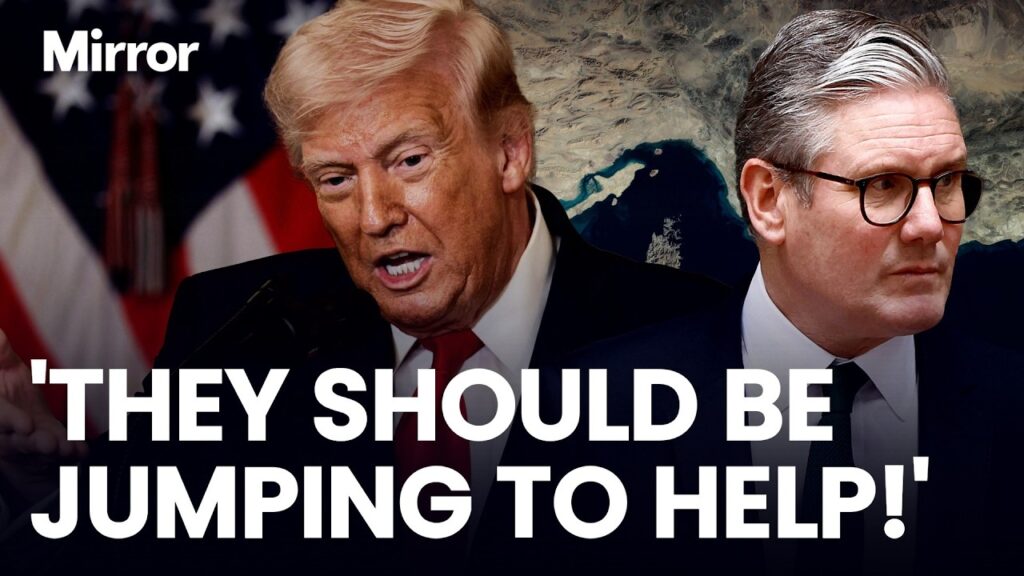
U.S. President Donald Trump voiced strong frustration with the United Kingdom today, describing himself as “very surprised” and “not happy” with Prime Minister Keir Starmer’s response to the escalating war in the Middle East. The remarks came amid questions about allied contributions to the U.S.-led offensive against Iran, now in its third week.
Trump criticized European nations, including the U.K., for what he called insufficient support, stating that allies “should be jumping to help us” in securing the Strait of Hormuz and countering Iranian threats to global shipping lanes. He highlighted the U.K.’s refusal—announced last month—to allow British military bases to be used for strikes on Iranian targets, framing it as a lack of solidarity from America’s “oldest ally.”
The comments follow Trump’s repeated calls for NATO members and other oil-dependent countries to deploy warships to reopen the strait, a vital artery for roughly 20% of the world’s oil supply. Iran has imposed restrictions and launched attacks on commercial vessels, prompting fears of broader energy disruptions and price spikes (oil has risen sharply to around $105 per barrel). Trump has warned that failure to act could lead to “very bad” consequences for the alliance’s future.
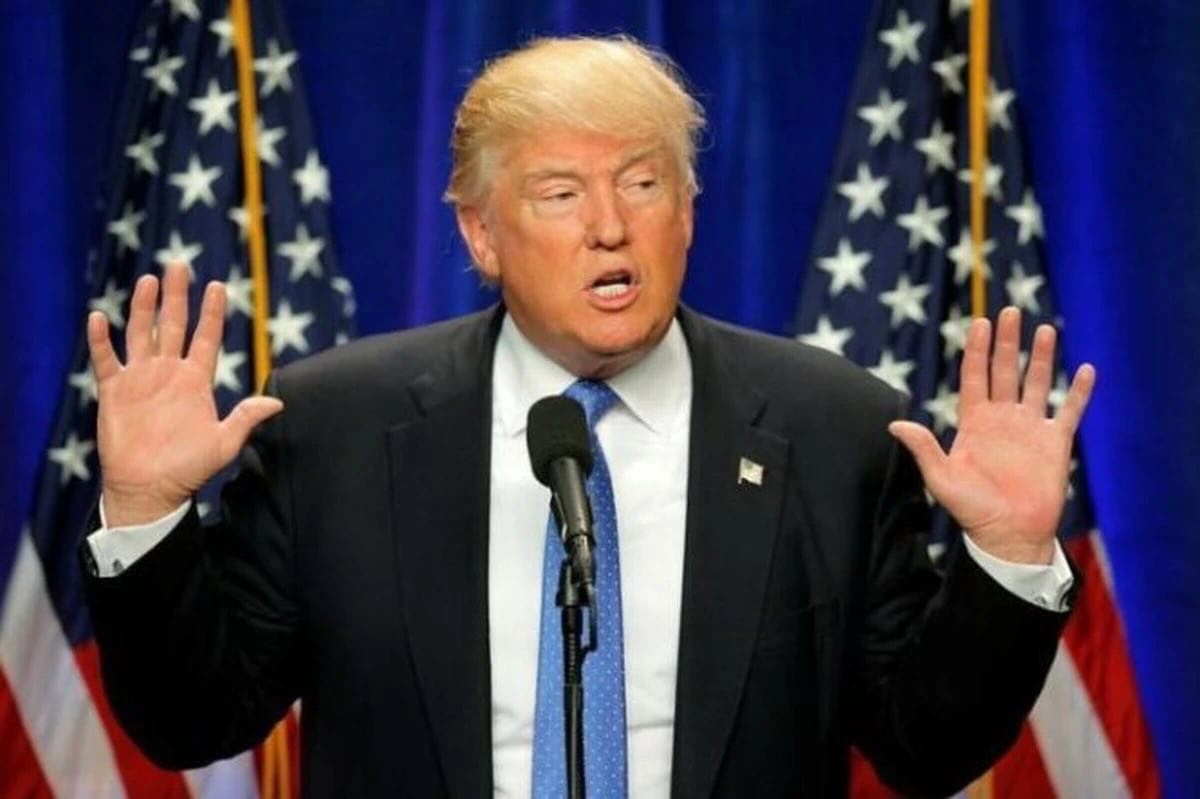
Prime Minister Starmer has maintained that the U.K. is exploring options to support safe passage through the strait but has stopped short of committing naval forces or base access for offensive operations. U.K. Energy Secretary Ed Miliband reiterated that “any option” to restore transit is under consideration, without specifics on military involvement.
The exchange underscores growing tensions within the transatlantic alliance over burden-sharing in the Iran conflict. Trump has previously praised Starmer in other contexts but has grown increasingly critical as the war drags on without decisive allied backing. No immediate U.K. response to today’s remarks was reported, though diplomatic channels remain open.
The situation continues to highlight divisions among Western partners as the conflict risks wider regional escalation, civilian casualties mount (including in Lebanon amid related Israeli-Hezbollah clashes), and economic fallout from energy market volatility intensifies.
