
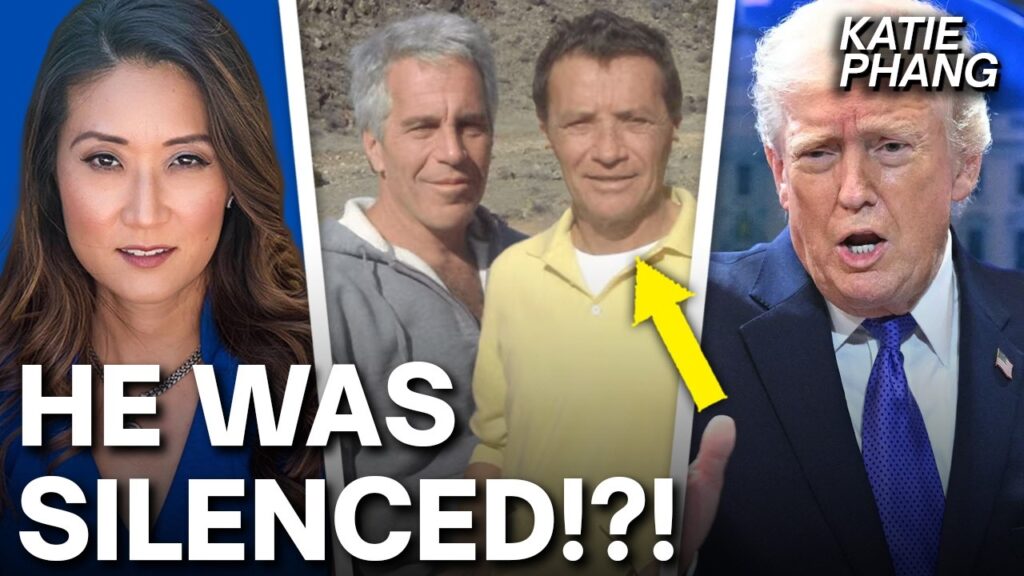
Jean-Luc Brunel, a French modeling agent and longtime associate of Jeffrey Epstein, was found hanged in his Paris prison cell in February 2022 while awaiting trial on charges of rape of minors and organized sex trafficking. His death—ruled a suicide—came amid ongoing scrutiny of Epstein’s international network and raised questions about accountability for enablers in one of the most high-profile sex-trafficking cases in modern history.
Brunel had deep ties to Epstein dating back to the early 2000s. The two co-founded MC2 Model Management in 2005, with Epstein providing significant funding. The agency, with offices in New York and Miami, was accused in civil lawsuits and victim testimonies of serving as a front to recruit young women—often underage—under the guise of modeling opportunities. Reports indicate that models were placed in Epstein-controlled apartments, obtained work visas through the agency, and subjected to exploitation. Virginia Giuffre, one of Epstein’s most prominent accusers, testified that Brunel trafficked her and other girls to Epstein. Additional accounts, including from Marissa Vasquez in a 2010 civil case, described targeting of underage girls and international recruitment efforts.
In late 2015 and early 2016, Brunel reportedly engaged in negotiations to cooperate with U.S. authorities. According to handwritten DOJ notes dated February 29, 2016, from meetings involving victim attorneys (such as Brad Edwards of Boies Schiller), Brunel claimed to possess photographic and videographic evidence of Epstein engaging in sex acts with minors. The notes detail Brunel’s role in procuring girls, his frequent travel on Epstein’s private jet, visits to Epstein’s properties (Palm Beach, New York, and the U.S. Virgin Islands), and knowledge of hidden cameras used for potential blackmail. Recruiters mentioned included Ghislaine Maxwell (described as the “head recruiter” and daughter of Robert Maxwell), along with others like Lesley Groth and Daniel Sad. Victims reported being given explicit photos as “gifts” at age 16, and properties were equipped with surveillance systems.

Despite these discussions and apparent offers of immunity or cooperation, Brunel went silent after initial outreach. In May 2016, Epstein sent emails (including to himself for documentation) alleging that a $3 million bribe had been offered through intermediaries—including Michael Kadosh (described as Brunel’s friend and “rabbi”)—to prevent Brunel from testifying. Epstein contacted figures like Kathy Ruemmler (former Obama administration lawyer and ex-Goldman Sachs executive) in attempts to intervene. Brunel also filed a 2015 lawsuit against Epstein for obstruction of justice related to a missed 2009 deposition, and his attorney at the time noted possession of incriminating photos but advised against retaining them.
Brunel was arrested by French authorities in December 2020 at Paris’s Charles de Gaulle Airport while attempting to flee to Senegal. French prosecutors charged him with rape of minors over 15 and organized sex trafficking linked to Epstein’s network. In February 2026, French officials announced a reinvestigation into potential involvement by other French nationals in Epstein’s circle, signaling renewed scrutiny.

The case highlights persistent systemic failures in addressing Epstein’s accomplices. Despite U.S. authorities (including the FBI and Southern District of Florida under then-U.S. Attorney Alex Acosta) possessing detailed information as early as 2016, no federal charges were brought against Brunel in the United States. Epstein’s 2008 non-prosecution agreement shielded many potential co-conspirators, and subsequent investigations stalled for years. Victim advocates have long criticized these delays, arguing they allowed abuse to continue and retraumatized survivors through inaction.
Brunel’s death in custody—mirroring Epstein’s 2019 hanging while awaiting federal trial—has fueled skepticism about official suicide rulings in high-stakes cases involving powerful figures. While no evidence of foul play has been publicly confirmed, the pattern underscores broader concerns about protection of elite networks, institutional complicity, and the challenges victims face in securing justice against well-resourced enablers.
As French authorities press forward with fresh inquiries, the Epstein saga continues to expose gaps in transnational accountability. Advocates call for full transparency from U.S. agencies, release of withheld documents, and prosecution of remaining figures to deliver long-overdue justice for survivors.
