
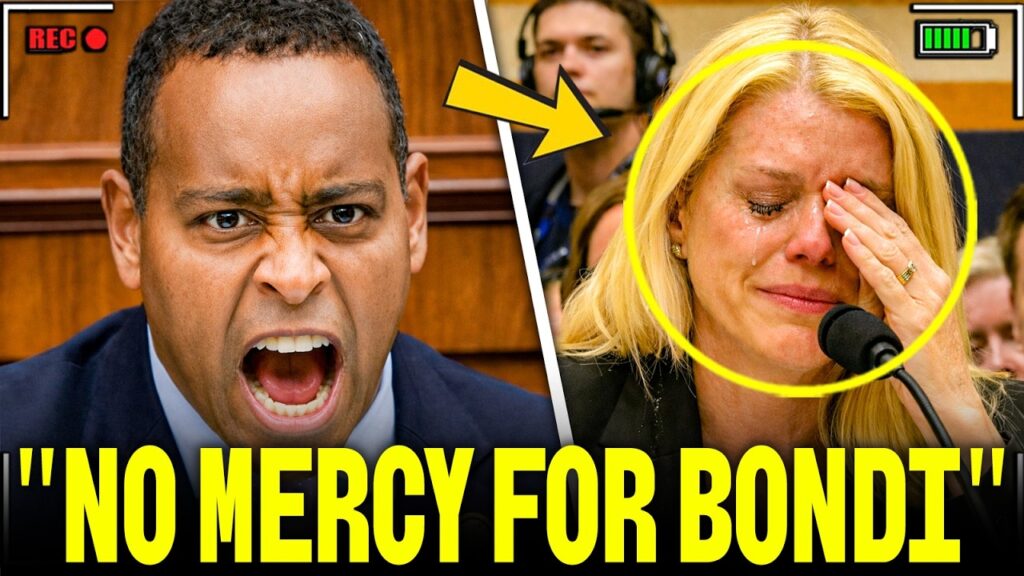
In a tense February 11, 2026, oversight hearing before the House Judiciary Committee (or affiliated panel), Rep. Joe Neguse (D-CO) sharply questioned Attorney General Pam Bondi about what Democrats described as the Trump administration’s transformation of the Department of Justice into a protective apparatus for the president and allies, rather than an impartial enforcer of federal law.
Hiring of Pardoned January 6 Participant A central flashpoint was the DOJ’s employment of Jared Weise, a January 6, 2021, Capitol rioter pardoned by President Trump. Weise had been indicted for forcibly assaulting, resisting, opposing, impeding, intimidating, and interfering with police officers, including reportedly yelling “kill him” during the events. Bondi confirmed Weise’s current role at the DOJ, citing his pardon as justification. Neguse criticized the hire as emblematic of prioritizing loyalty over accountability, contrasting it with Bondi’s public statement (posted February 6, 2026) that “If you come for law enforcement, the Trump administration will come for you.”
Dismantling of Key Units Neguse highlighted reductions in specialized sections:
- The Public Integrity Section (PIN), established under President Gerald Ford post-Watergate to probe federal corruption, saw its staff slashed from 35 to just 2. Bondi defended the changes as ending prior “weaponization” of the unit.
- The National Cryptocurrency Enforcement Team was effectively eliminated, with reports indicating zero remaining staff. This coincided with public disclosures of President Trump’s cryptocurrency holdings valued at approximately $1.4 billion, raising questions about conflicts of interest or selective enforcement.
Surveillance of Congressional Oversight and Epstein Files One of the most contentious segments involved allegations of DOJ surveillance of Rep. Pramila Jayapal (D-WA), a member reviewing Epstein-related files. A “binder” presented at the hearing—titled something akin to “Gaipal Premier Search History”—documented Jayapal’s searches of Epstein materials approximately 23 hours prior, which critics argued violated the Speech or Debate Clause protecting congressional activities from executive interference. Bondi referenced a DOJ letter logging review dates and times but denied full-scale tracking.
Further criticism targeted the handling of Epstein files under the Epstein Files Transparency Act: released materials allegedly included unredacted nude photos and sensitive victim details while heavily redacting names of potential co-conspirators or associates. Survivors reportedly were unable to meet with DOJ officials to discuss concerns, prompting accusations of inadequate victim protections and selective transparency.
Broader Allegations of Retaliation and Purges Neguse and other Democrats portrayed the DOJ as a “vendetta factory,” citing purges of prosecutors deemed disloyal, retaliation against those who handled January 6 cases, and dismantling of units like the Community Relations Service (involved in hate crimes and community tensions). Bondi countered by invoking Article II executive authority for personnel decisions and rejecting claims of politicization.
Implications and Ongoing Scrutiny The exchange underscored deep partisan divides over the DOJ’s direction under the current administration. Democrats demanded deadlines (e.g., February 20, 2026) for additional information, threatened subpoenas and lawsuits, and pointed to institutional resistance—such as grand juries declining to indict certain lawmakers—as evidence of safeguards still functioning. No new criminal allegations against Bondi or the administration were directly proven in the hearing, but the session amplified calls for independent oversight of federal law enforcement amid high-profile file releases and policy shifts.
