
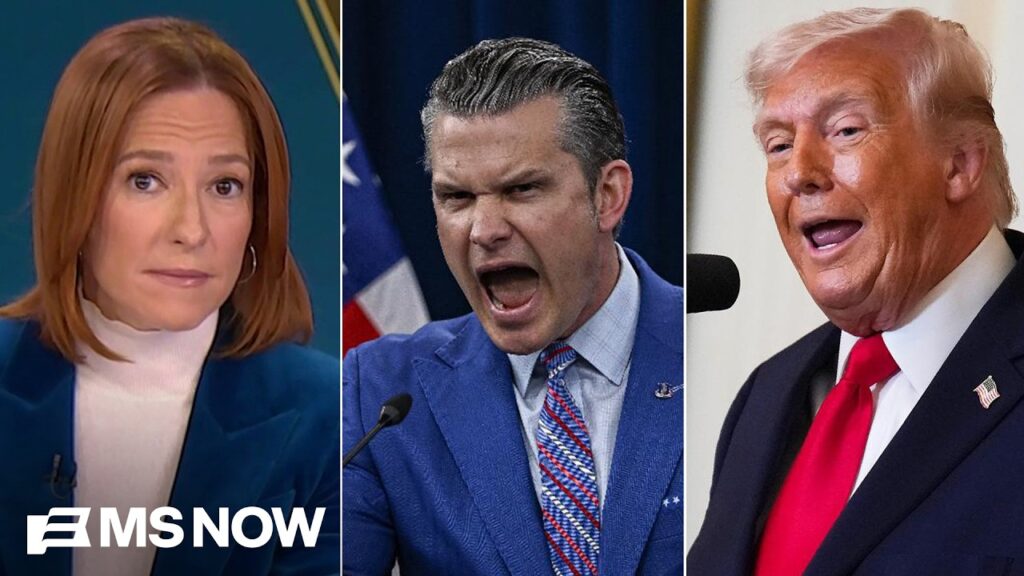
As the United States escalates military operations against Iran in early 2026, scrutiny has intensified on the public communications from key figures in the administration—particularly Defense Secretary Pete Hegseth and former President Donald Trump (now in a prominent advisory or influential role). Both men, with extensive backgrounds in television (Hegseth as a Fox News host and Trump as a reality TV star), have drawn criticism for emphasizing performative messaging, bold slogans, and media optics over detailed military strategy, operational planning, and realistic timelines.
Press Conferences and Public Statements In recent Defense Department briefings, Secretary Hegseth has repeatedly used dramatic language to frame the conflict. Statements such as “No mercy for our enemies” and projections that “the war will last four to five weeks” have been highlighted as examples of bravado that gloss over complexities like Iran’s asymmetric warfare capabilities, regional proxy networks (e.g., Hezbollah, Houthis), potential for prolonged insurgency, and the risk of mission creep into broader Middle East involvement. Critics argue these remarks reflect a focus on rallying domestic support and projecting strength through soundbites rather than addressing logistical challenges, troop readiness, or exit strategies.
Former President Trump’s media appearances have echoed similar themes, with casual or hyperbolic comments on the conflict’s duration and outcome. Paraphrased remarks suggesting the war “will end when I feel it in my bones” (alluding to his past bone spurs reference) have fueled accusations that leadership treats the campaign as a branding exercise—prioritizing perceived “wins” in public perception over substantive progress on the ground.
Critique of TV-Style Leadership Analysts, including former White House Press Secretary Jen Psaki in recent commentary, have pointed out a pattern: the reliance on television-honed skills—charismatic delivery, memorable phrases, and image management—appears ill-suited to the gravity of directing a major military operation. While effective for political campaigns or cable news segments, this approach risks undermining credibility when applied to high-stakes national security decisions. Key concerns include:
- Downplaying intelligence assessments of Iran’s resilience and retaliatory options.
- Limited discussion of coalition support, supply-chain vulnerabilities, or cyber/domain warfare integration.
- Potential violations of international norms (e.g., references to “no quarter” interpreted by some as echoing war-crime prohibitions under the Geneva Conventions).
The critique frames the current leadership dynamic as one where former entertainers treat war as spectacle—more concerned with crafting a narrative of swift victory and toughness than with the meticulous planning required for sustainable success
Broader Implications The emphasis on image has coincided with domestic debates over resource allocation, with critics arguing that focus on foreign conflict diverts attention from pressing U.S. issues like infrastructure, healthcare, and economic stability. Supporters of the administration counter that strong, decisive messaging deters adversaries and maintains public resolve during uncertain times.
As operations continue, the contrast between performative rhetoric and battlefield realities remains a flashpoint in political discourse. Whether this style translates to effective wartime leadership—or contributes to strategic missteps—will likely depend on outcomes in the coming weeks and months.
