
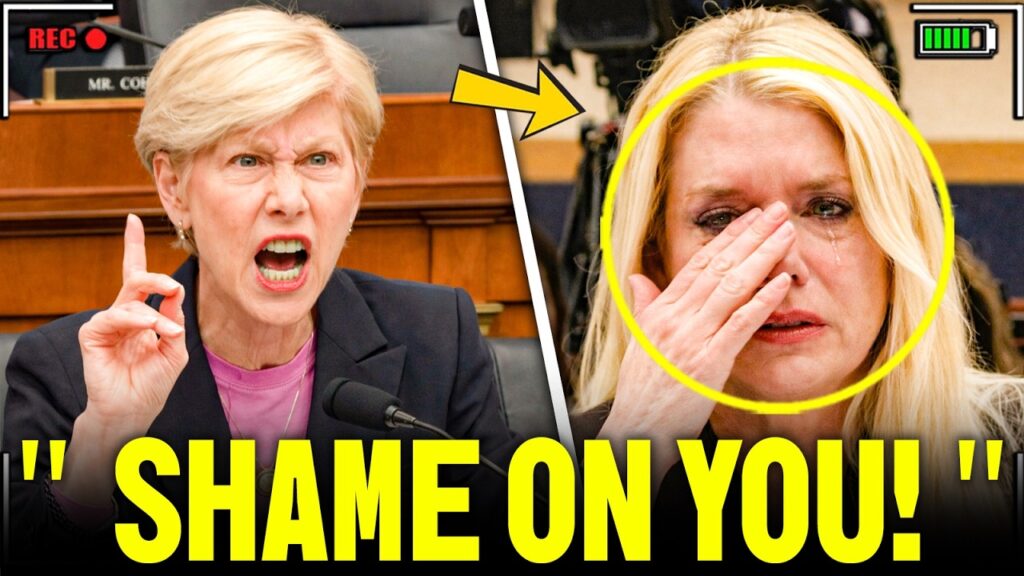
During a March 2026 House Judiciary Committee oversight hearing, Attorney General Pam Bondi faced sharp questioning from lawmakers, including Rep. Deborah Ross (D-NC), regarding the transfer of Ghislaine Maxwell—Jeffrey Epstein’s convicted co-conspirator in sex trafficking—from a higher-security federal facility in Florida to a minimum-security prison camp in Texas. The session highlighted concerns about potential special treatment, political influence, and oversight failures within the Department of Justice (DOJ) and Bureau of Prisons (BOP).
Details of the Transfer and Reported Perks Maxwell, sentenced in 2022 to 20 years for her role in Epstein’s sex-trafficking network, was moved in July 2025 to a low-security “camp” facility in Texas—commonly referred to in prison circles as “Clubfed”—which typically houses non-violent offenders and is generally ineligible for individuals convicted of sex offenses under federal guidelines. Reports indicate Maxwell received privileges at the new location, including:
- Access to puppy therapy sessions,
- Private workout opportunities,
- Personal mail handling and secretarial services.
These amenities stand in contrast to standard conditions for similar offenders. The transfer occurred shortly after a two-day interview with Deputy Attorney General Todd Blanch (a former personal defense attorney for Donald Trump) in July 2025, raising questions about timing and potential influence.
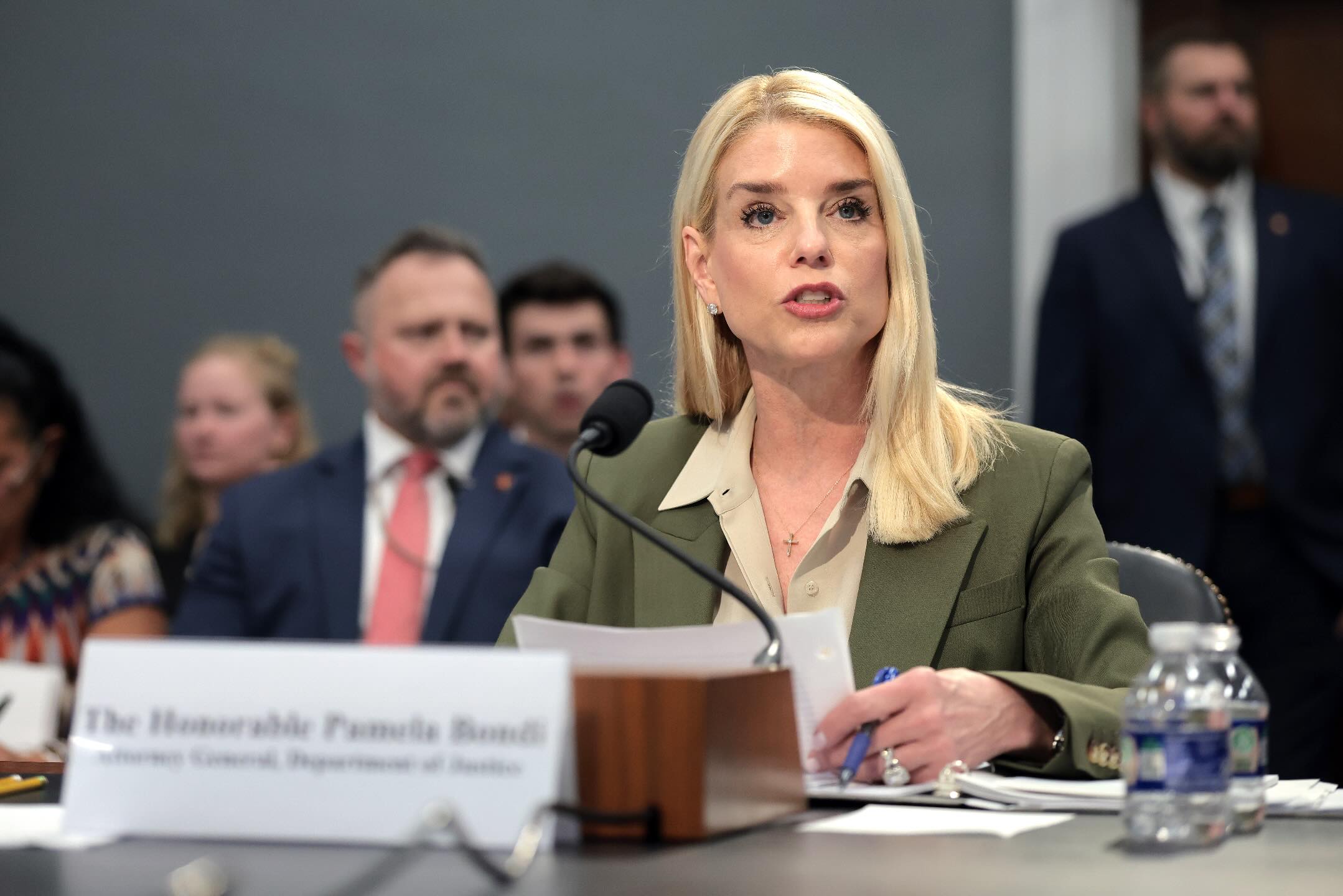
Bondi’s Testimony and Responses Bondi stated she learned of the transfer only after it had occurred and described the new facility as “same level” in security classification, deferring responsibility to the BOP. She emphasized she had no direct involvement in the decision. When pressed on the reported perks and whether they violated equal-treatment policies, Bondi agreed that sex offenders should not receive special accommodations and expressed hope that Maxwell “will die in prison.” However, she offered no explanation for the privileges or the facility’s eligibility under BOP rules.
Bondi deflected some questions by redirecting to unrelated DOJ priorities, such as the death of a woman named Arena Zerutska on a subway and successes in apprehending human traffickers. She declined to speculate on clemency or pardon possibilities for Maxwell, despite public reports that Maxwell has conditioned further cooperation on receiving executive clemency from President Trump.
Allegations of Political Influence and Broader Concerns Lawmakers highlighted a potential link between Blanch’s interview and the transfer, suggesting favoritism or external pressure. Additional scrutiny focused on senior Trump administration officials named in Epstein-related documents—such as Secretary of Commerce Howard Lutnick (who reportedly visited Epstein’s island in 2012), along with other appointees—none of whom have faced apparent DOJ investigations into those associations.
Survivors and advocates have expressed retraumatization over Maxwell’s reported comforts, arguing they undermine justice for victims. Critics accuse the DOJ under Bondi of prioritizing low-level cases while shielding high-profile figures connected to Epstein. Over 3 million Epstein-related files reportedly remain unredacted or withheld, fueling calls for full release and greater transparency.
Committee Dynamics and Potential Next Steps Democratic members accused Bondi of evasion, incompetence, or cover-up, while some Republican members defended her record by citing reductions in murder rates and trafficking arrests. Observers noted Bondi’s responses as frequently non-responsive, with interruptions and deflections.
The committee retains authority to issue subpoenas for BOP records, Blanch’s testimony, and related communications. Potential outcomes include further hearings, inspector general reviews, or impeachment proceedings if evidence of perjury or misconduct emerges. Bondi’s claim of ignorance has been challenged given her oversight role over the BOP, with critics arguing it contradicts her position as Attorney General.
Implications for Justice System Integrity The hearing underscores persistent questions about equal application of law in high-profile cases involving powerful networks. Whether the transfer and perks reflect administrative discretion, policy compliance, or improper influence remains unresolved pending additional records and testimony. Advocates continue to demand accountability to prevent perceptions of a two-tiered justice system, particularly for survivors of Epstein’s and Maxwell’s crimes.
