
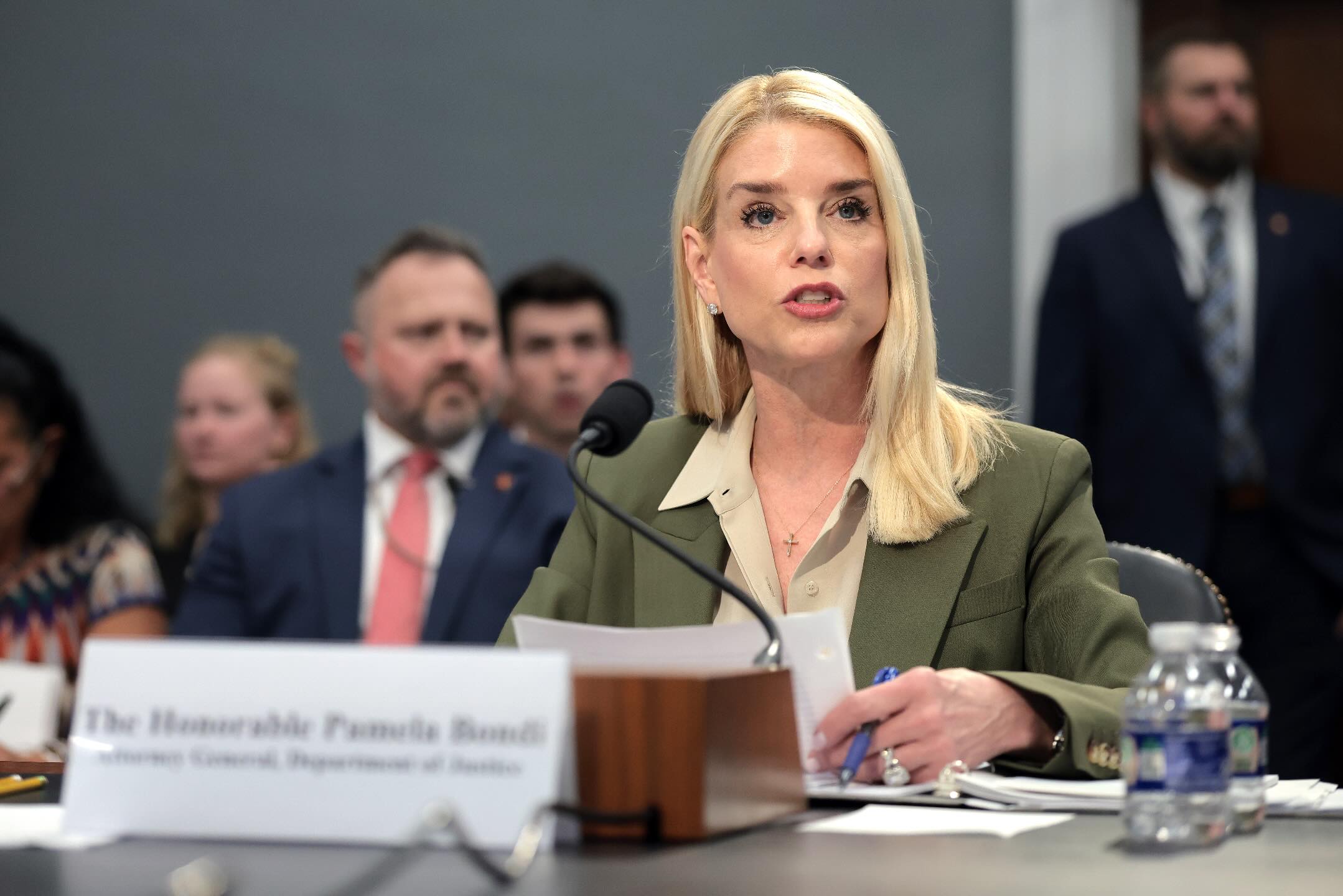
In a heated March 2026 House Judiciary Committee oversight hearing, Rep. Adam Schiff (D-CA) aggressively questioned Attorney General Pam Bondi on a series of allegations involving the Department of Justice’s handling of high-profile matters, prosecutorial decisions, and potential political influence. The session, intended as routine accountability review, devolved into sharp exchanges, with Schiff accusing the DOJ of selective enforcement, cover-ups, and weaponization against political opponents, while Bondi defended actions as lawful, pre-dating her tenure, and dismissed many questions as partisan attacks.
Central Allegations and Exchanges Schiff focused on a reported incident involving Tom Homan (a senior immigration enforcement figure), where allegations surfaced that Homan received $50,000 in cash—potentially captured on video or audio—during an FBI-related operation. Schiff repeatedly asked:
- Did Homan take the money?
- Would Bondi support releasing any such recording to the committee?
Bondi responded that the alleged event occurred before her confirmation as AG, that Deputy AG Todd Blanch and FBI Director Patel had concluded there was “no case,” and that she lacked personal knowledge. She accused Schiff of seeking a “gotcha” moment and defended Homan as someone “fighting for our country.” When pressed on a yes/no commitment to release evidence if it existed, Bondi deferred, emphasizing jurisdictional boundaries.
Schiff then listed multiple unanswered questions from prior interactions, including:
- Whether Bondi consulted career ethics lawyers before approving a reported $400 million gift from Qatari entities to the president.
- Her role (if any) in flagging or handling Trump’s name in Epstein-related documents.
- Whether Homan kept the alleged $50,000 or paid taxes on it.
- If career prosecutors found insufficient evidence to charge former FBI Director James Comey.
- The legality of military strikes on boats in the Caribbean.
- Whether she discussed indicting Comey with the president.
- Approval of firing career trust lawyers disagreeing with the Hila Packard merger.
- Support for a restoration fund for January 6 insurrectionists.
- Firings of career prosecutors involved in January 6 investigations.
- Whether government officials must abide by court orders.
Bondi countered that many matters predated her role, that she had answered similar questions multiple times, and that Schiff’s line of inquiry constituted personal attacks. She demanded an apology from Schiff for past statements about Donald Trump, claiming recent revelations showed attempts to cover up involvement by others.
Supporting Evidence Entered into Record Schiff introduced several documents to bolster his claims of DOJ politicization:
- A statement signed by 1,000 former DOJ officials warning that indicting Comey would threaten democratic norms.
- Testimony from 282 former career officials forced out due to improper actions.
- Excerpts from the DOJ manual on initiating and declining charges.
- A letter from career counterterrorism prosecutor Michael Ben Ary urging adherence to facts and law, while noting the removal of experienced officials had undermined counterterrorism efforts.
Broader Themes and Tone The exchange highlighted deep partisan divides: Schiff framed the DOJ as having lost independence—allowing investigations into political allies to vanish, firing prosecutors tied to Trump-related cases (including January 6), and prioritizing loyalty over impartiality. Bondi portrayed the questions as politically motivated smears, praised figures like Patel and Blanch as “trustworthy,” and shifted focus to alleged misconduct by prior administrations or opponents.
No new admissions or concrete evidence of wrongdoing by Bondi personally emerged, but the hearing amplified ongoing concerns about prosecutorial discretion, potential conflicts of interest, and the erosion of institutional norms in high-stakes political cases. The session ended without resolution, leaving open possibilities for follow-up subpoenas, document requests, or additional hearings.
