
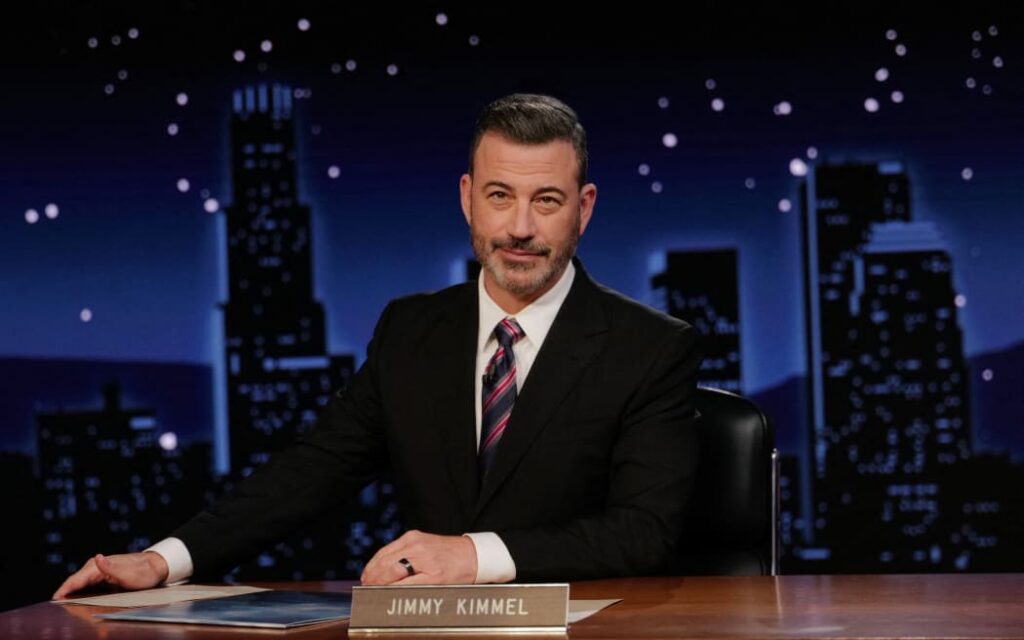
LOS ANGELES — A joke about age and a first lady. A presidential demand for termination. And a gunshot at a gala dinner that no one saw coming. The collision between late-night comedy and political rage has reached a volatile new peak, with Jimmy Kimmel and Donald Trump locked in an escalating war that now involves ABC, Disney, and the Secret Service.
The flashpoint came in the aftermath of the annual White House Correspondents’ Dinner, an event meant to celebrate the relationship between press and presidency but which this year became a scene of tragedy and recrimination. A gunman opened fire at the gathering, wounding three attendees before being subdued. The suspect remains in custody.

In the days before that attack, Kimmel had delivered a monologue roasting the president and his family. His target was the dinner itself: “Typically, somebody funny shows up,” Kimmel joked, noting that this year’s event lacked comedic star power. The segment included a light jab at the age gap between the 79-year-old president and the 56-year-old first lady.
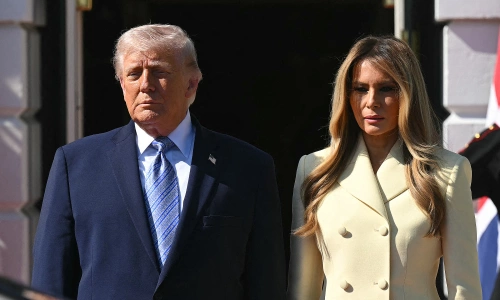
That joke, replayed on social media after the shooting, became the focus of an extraordinary response from Melania Trump. The first lady issued a statement calling for ABC to “take a stand” against Kimmel, alleging that his show featured “hateful and violent rhetoric” that she argued contributed to an atmosphere of danger.
President Trump, never one to ignore a slight, escalated rapidly. On Truth Social, he wrote that Kimmel should be “immediately fired by Disney and ABC” — the network that has broadcast Jimmy Kimmel Live! since 2003. “I appreciate that so many people are incensed by Kimmel’s despicable call to violence,” Trump wrote, though he did not specify what violent act Kimmel had allegedly advocated.
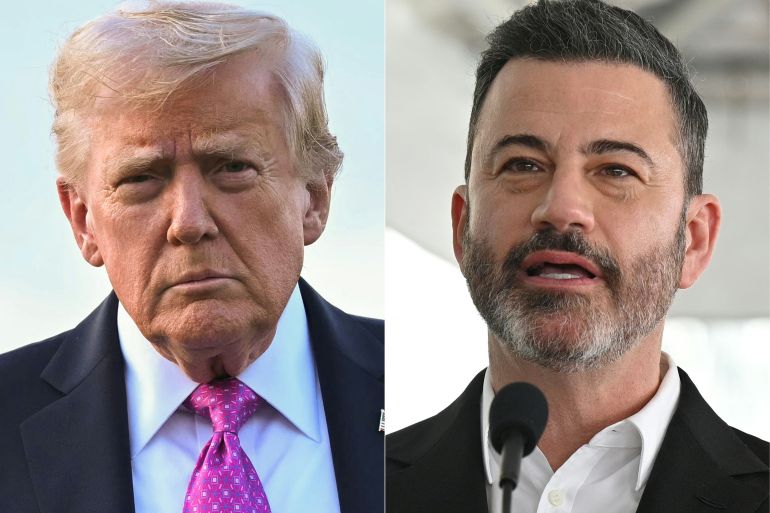
Kimmel, for his part, appeared genuinely bewildered by the accusation. During his Monday monologue, the host insisted his remarks about the first lady were nothing more than a “very light roast joke” about the age difference between the Trumps. The joke, he explained, was that the president is “almost 80” and the first lady is “younger than I am” — Kimmel is 58.
“It was not by any stretch a call to assassination,” Kimmel said, his tone a mixture of frustration and disbelief. He reminded viewers that he has “been very vocal for many years, speaking out against gun violence in particular.” The idea that he would incite the very thing he has campaigned against, he argued, was absurd.
The central factual dispute is impossible to resolve because no direct link exists between Kimmel’s joke and the subsequent shooting. The gunman’s motives remain under investigation, and authorities have not released any manifesto or statements connecting him to late-night television. Yet in the fevered logic of political warfare, correlation has been treated as causation.
ABC and Disney have remained publicly silent, though internal discussions are reportedly underway. Firing Kimmel would be a dramatic concession to presidential pressure — one that would likely trigger a viewer backlash and a talent exodus. Keeping him on air invites continued attacks from the White House and accusations of insensitivity from the first lady’s defenders.
First Amendment advocates have weighed in forcefully. “A president demanding that a network fire a comedian for a joke is not how democracy works,” said Jameel Jaffer, executive director of the Knight First Amendment Institute. “Even a joke in poor taste — and reasonable people can disagree about whether this qualified — is protected speech.”
The Correspondents’ Dinner shooting has complicated everything. What might have been a standard late-night feud now carries the weight of real violence. Kimmel’s insistence that his joke had “no impact” on events two days later is likely factually correct, but in the emotional aftermath of tragedy, factual correctness often loses to political convenience.

For Trump, the demand for Kimmel’s firing serves multiple purposes. It rallies his base against the “liberal media.” It distracts from the failed energy counterstrike on Capitol Hill. And it puts Disney in an impossible position: defend a comedian or appease a president.
Kimmel appears unwilling to back down. His monologue ended with a warning: “They want me to be quiet. They want ABC to silence me. That’s not going to happen.” The late-night host, who has survived previous controversies, seems prepared for another fight.
Where this ends is unclear. History suggests presidents do not get to fire comedians. But history also suggests that when a president demands retribution, the pressure on corporate owners becomes immense. The coming days will test whether ABC’s leadership values comedy or caution more.
For now, the joke that started it all remains online. A few seconds of monologue about age and attendance. And a political firestorm that shows no sign of cooling.
