
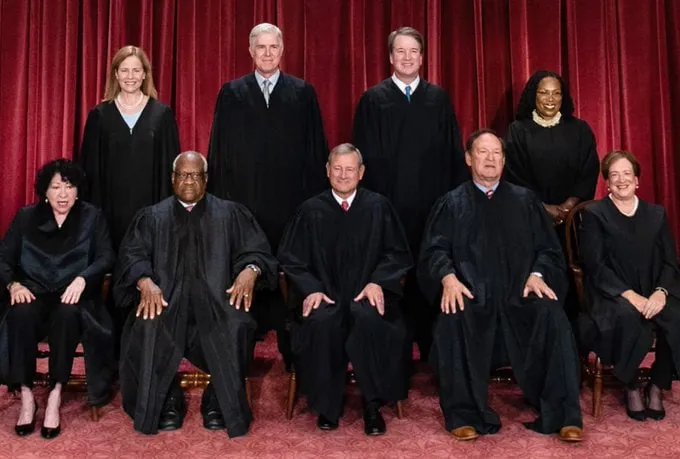
FULL ORAL ARGUMENTS: Supreme Court Hears Case On Jurisdiction Of Federal Courts
Washington, D.C. — March 30, 2026
The U.S. Supreme Court heard oral arguments today in Jules v. Andre Balazs Properties, a technically important case focusing on the jurisdiction of federal courts to confirm or enforce arbitration awards under the Federal Arbitration Act (FAA).
Background of the Case
The dispute centers on whether federal courts can hear applications to confirm arbitration awards even when there is no independent basis for federal jurisdiction (such as diversity of citizenship or a federal question under 28 U.S.C. § 1331).
This case follows the Supreme Court’s 2022 decision in Badgerow v. Walters, which held that the FAA itself does not create federal jurisdiction for post-arbitration proceedings like confirming or vacating awards. Petitioners in Jules argue that once a federal court has properly exercised jurisdiction to compel arbitration (under Section 4 of the FAA), it should retain “ancillary” or “supplemental” jurisdiction to confirm the resulting award without needing a new jurisdictional hook.
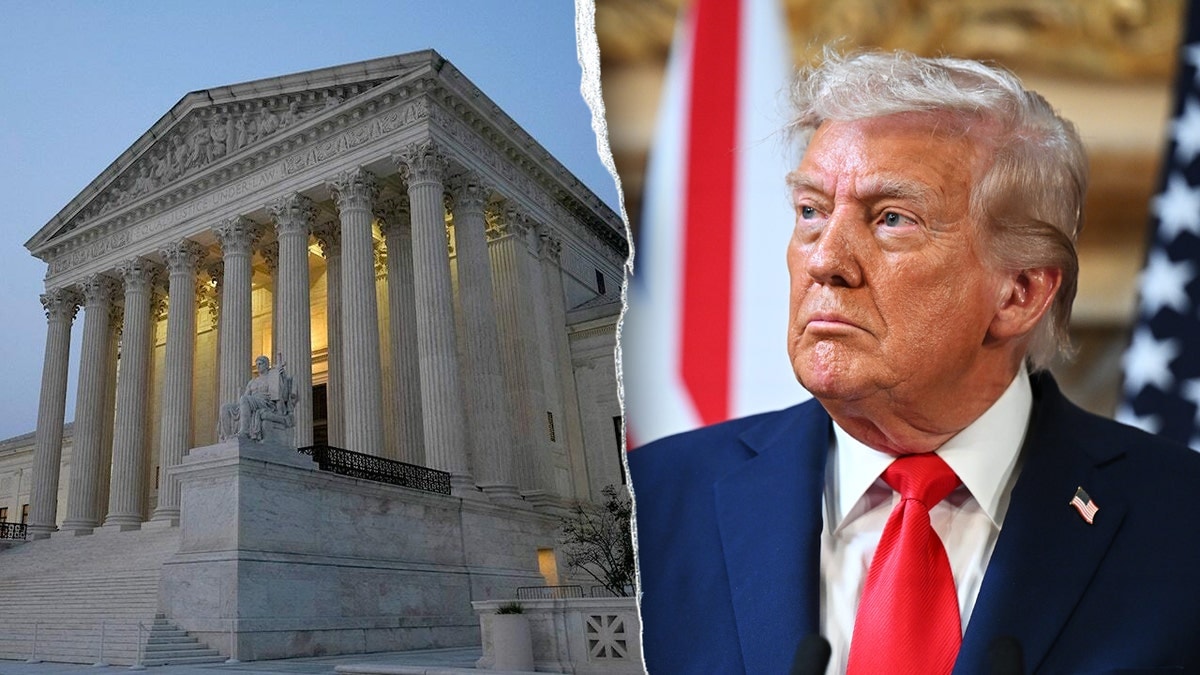
Respondents counter that after arbitration concludes, the case returns to the default rules of federal jurisdiction, and courts cannot simply “keep” the case open indefinitely.
Key Issues Discussed in Oral Arguments
- Whether federal courts need an independent jurisdictional basis (e.g., federal question or diversity) to confirm arbitration awards after compelling arbitration.
- The practical consequences for parties who choose arbitration but later need court enforcement of the award.
- How this ruling could affect the efficiency and attractiveness of arbitration as an alternative to full litigation.
- Interpretation of Sections 9 and 10 of the FAA in light of the Badgerow precedent.
The arguments were described as highly technical, focusing on statutory interpretation, congressional intent, and the limits of federal court power. Justices asked detailed questions about whether allowing “supplemental jurisdiction” in this context would undermine Badgerow or create a loophole that Congress did not intend.
Why This Case Matters
While not as headline-grabbing as cases involving birthright citizenship or major constitutional issues, the decision could have significant real-world impact on commercial litigation, employment disputes, and consumer contracts that include arbitration clauses. A ruling favoring broader federal court jurisdiction could make it easier for parties to enforce arbitration awards in federal court; a narrower ruling could push more post-arbitration disputes into state courts.
The Supreme Court is expected to issue its opinion by late June or early July 2026.
You can watch the full oral arguments on the Supreme Court’s website, Oyez.org, or via Forbes Breaking News / C-SPAN recordings.
