
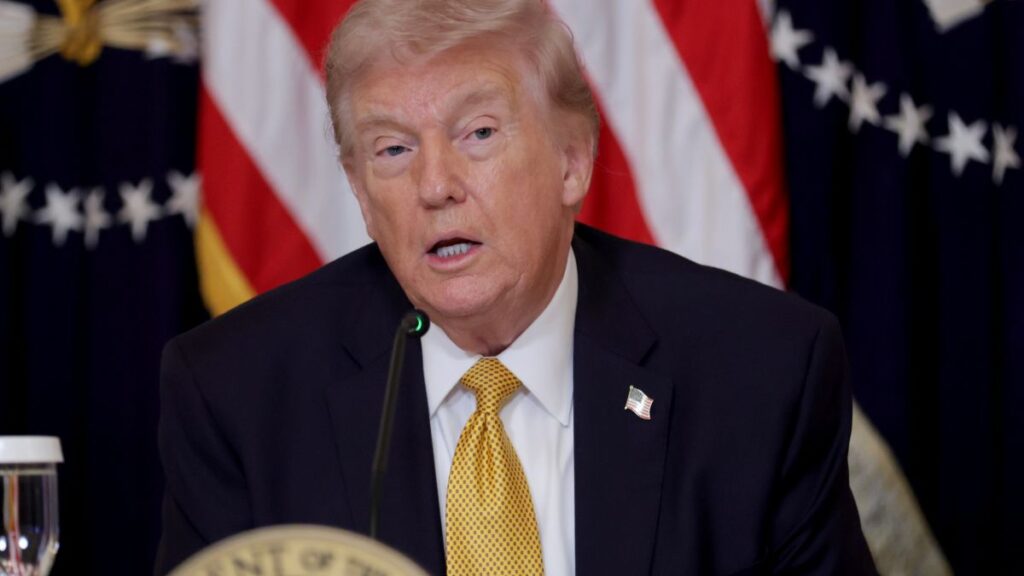
Several longstanding U.S. allies have publicly declined President Donald Trump’s appeal for military assistance in securing the Strait of Hormuz, a critical global chokepoint for oil shipments that has faced significant disruptions due to recent regional conflict involving Iran. The refusals, voiced by leaders in Europe, Asia-Pacific and elsewhere, reflect a broader reluctance to participate directly in operations tied to the ongoing U.S.-Iran confrontation, even as the strategic importance of the strait remains undisputed.

The Strait of Hormuz, through which approximately one-fifth of the world’s seaborne oil typically flows, has experienced heightened risks following Iranian actions that have impeded tanker traffic. President Trump, in statements from the White House and on social media, initially indicated that multiple countries had expressed willingness to contribute naval assets to escort vessels and restore safe passage. However, subsequent responses from allied governments have largely contradicted those claims, prompting the president to assert that the United States possesses sufficient capability to proceed independently.
European nations have been among the most explicit in rejecting involvement. German officials, including Defense Minister Boris Pistorius and spokespeople for Chancellor Friedrich Merz, emphasized that the current conflict does not fall under NATO’s collective defense mandate. “This is not our war; we did not start it,” Pistorius stated, while a government spokesperson described NATO as a defensive alliance rather than one oriented toward intervention in non-treaty obligations. France’s President Emmanuel Macron similarly ruled out participation in operations to reopen or secure the strait under present conditions, though he noted France’s readiness to contribute to stability efforts once active hostilities subside.
The United Kingdom has adopted a comparable stance. Prime Minister Keir Starmer indicated that London would not commit forces in ways that risk broader escalation, stating the government would avoid being drawn into wider conflict. British officials have explored alternative support measures, such as potential deployment of mine countermeasures assets, but have stopped short of endorsing direct naval escorts in the contested area.
Beyond Europe, responses have followed a similar pattern. Japan has conveyed no plans to dispatch warships, with government statements prioritizing diplomatic channels. Australia has explicitly declined to send vessels, underscoring a preference for de-escalation. Italy’s leadership highlighted the need for diplomacy to prevail, while Spain and other southern European countries have ruled out military engagement in what they view as an external theater.
These positions emerge against the backdrop of the U.S.-led military actions against Iran, which began earlier this year amid concerns over Tehran’s nuclear program and regional activities. The United States and Israel initiated operations described by Washington as necessary to prevent an imminent threat, though allies have not been uniformly consulted on the scope or timing. The resulting disruptions to energy flows have raised global economic concerns, with oil prices fluctuating and supply chain vulnerabilities exposed.
President Trump’s outreach included direct appeals to NATO partners and Indo-Pacific allies, with warnings that failure to assist could strain alliance relationships. In one instance, he suggested NATO faced a “very bad future” without greater burden-sharing. On subsequent days, however, the president shifted tone, declaring that U.S. forces had already achieved significant objectives and required no external assistance. “We do not need the help of anyone,” he stated, extending the assertion to include non-NATO partners such as Japan, Australia and South Korea.
Analysts point to several factors explaining the allied restraint. Many governments view the conflict as originating outside NATO’s Article 5 framework, which commits members to mutual defense only in cases of attack on alliance territory. Participation could expose forces to direct Iranian retaliation, including asymmetric threats in the Gulf region. Domestic political considerations also play a role, with publics in Europe and Asia wary of entanglement in Middle Eastern conflicts following prolonged engagements in prior decades.
The episode also revives longstanding debates over alliance burden-sharing. President Trump has frequently criticized NATO members for insufficient defense spending and reliance on U.S. security guarantees. While some allies have increased contributions in recent years—particularly in response to other global pressures—the current refusal illustrates boundaries to solidarity when operations extend beyond core defensive commitments.
Economically, the strait’s closure has compounded challenges for energy-importing nations. European countries, already navigating supply adjustments from earlier geopolitical shifts, face compounded risks from prolonged disruptions. Diplomatic efforts continue in parallel, with some allies advocating for renewed negotiations to restore navigation rights without further military escalation.
U.S. officials have not yet released a detailed list of countries expressing support, despite earlier indications of forthcoming announcements. The administration maintains that American naval presence in the region remains robust and capable of addressing threats unilaterally if necessary.
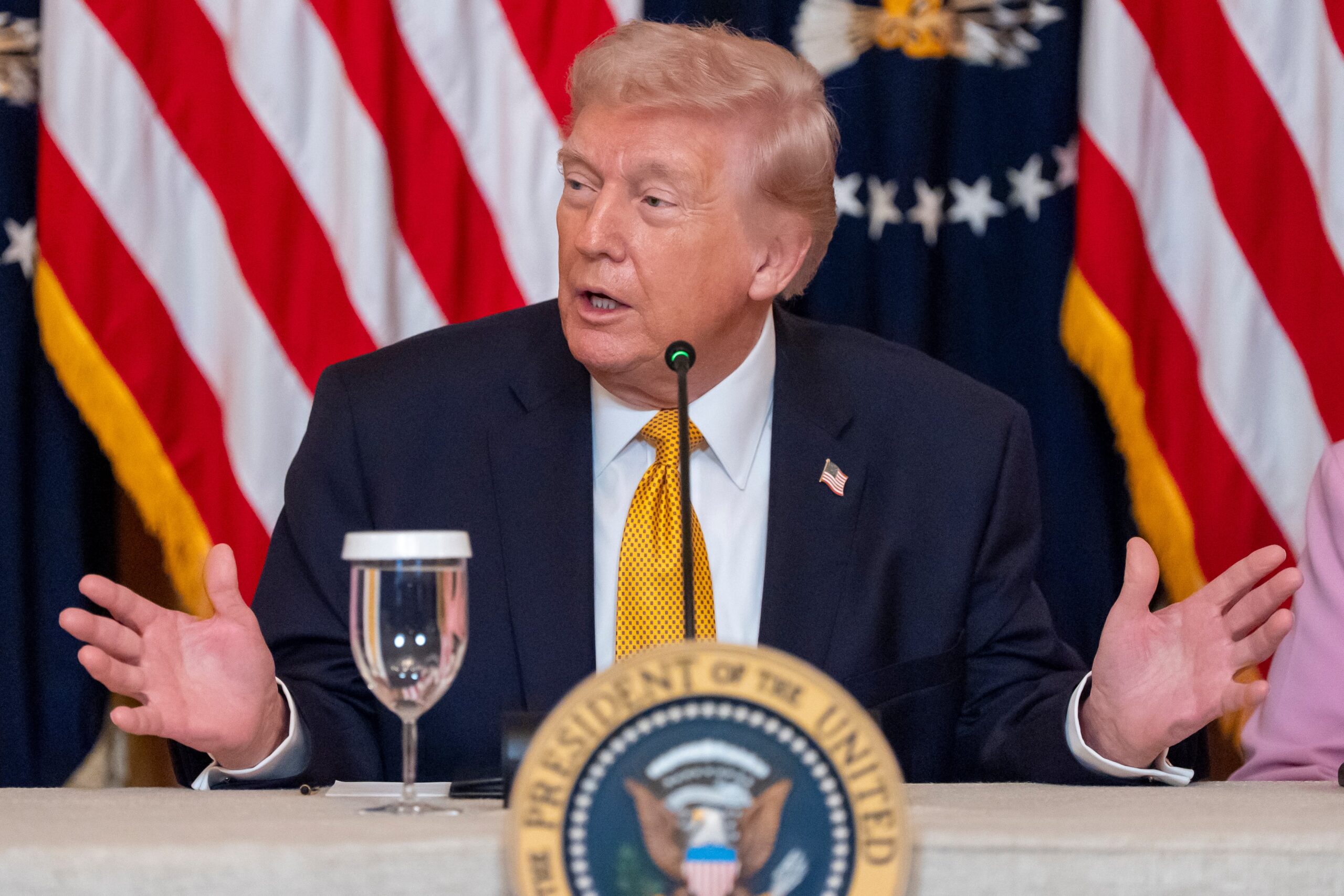
As the situation evolves, attention turns to potential multilateral frameworks outside traditional alliances, including possible coordination through the United Nations or ad hoc coalitions focused on freedom of navigation. For now, the refusals underscore a moment of divergence in how the United States and its partners calibrate responses to shared strategic interests in a volatile region.
The developments highlight the complexities of maintaining coalition cohesion amid high-stakes operations, where national interests, legal constraints and public opinion intersect with alliance obligations. While the Strait of Hormuz remains a priority for global trade security, the path to restoring unimpeded passage appears likely to rely more heavily on U.S. unilateral action and diplomatic pressure than on broad allied military involvement.
