
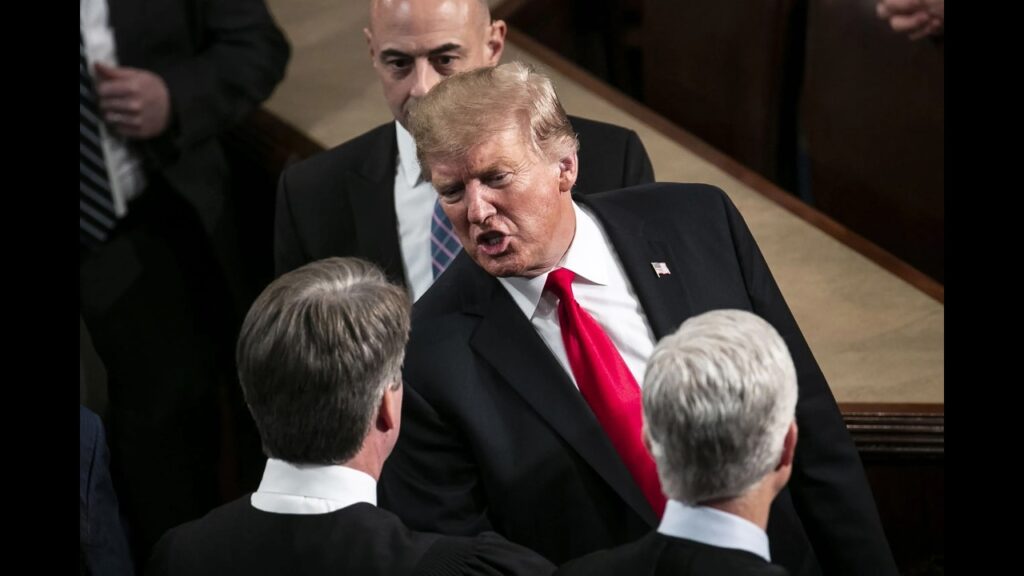
Former President Donald Trump unleashed a furious attack on the U.S. Supreme Court in a March 2026 Truth Social post, accusing the justices of failing to overturn what he insists was a “rigged” and “stolen” 2020 presidential election. Trump claimed the Court refused to act because he lacked “standing” as president at the time and argued that subsequent events have “conclusively proven” the election was stolen, leading to the installation of an “inept” Joe Biden and harming the nation.
The post reignited long-debunked assertions about 2020, including vague references to foreign interference and the Court’s alleged incompetence in not intervening as the founders intended. Trump has repeatedly made similar statements since leaving office, despite extensive investigations, audits, recounts, and over 60 court rulings (63 rejections) affirming the results.
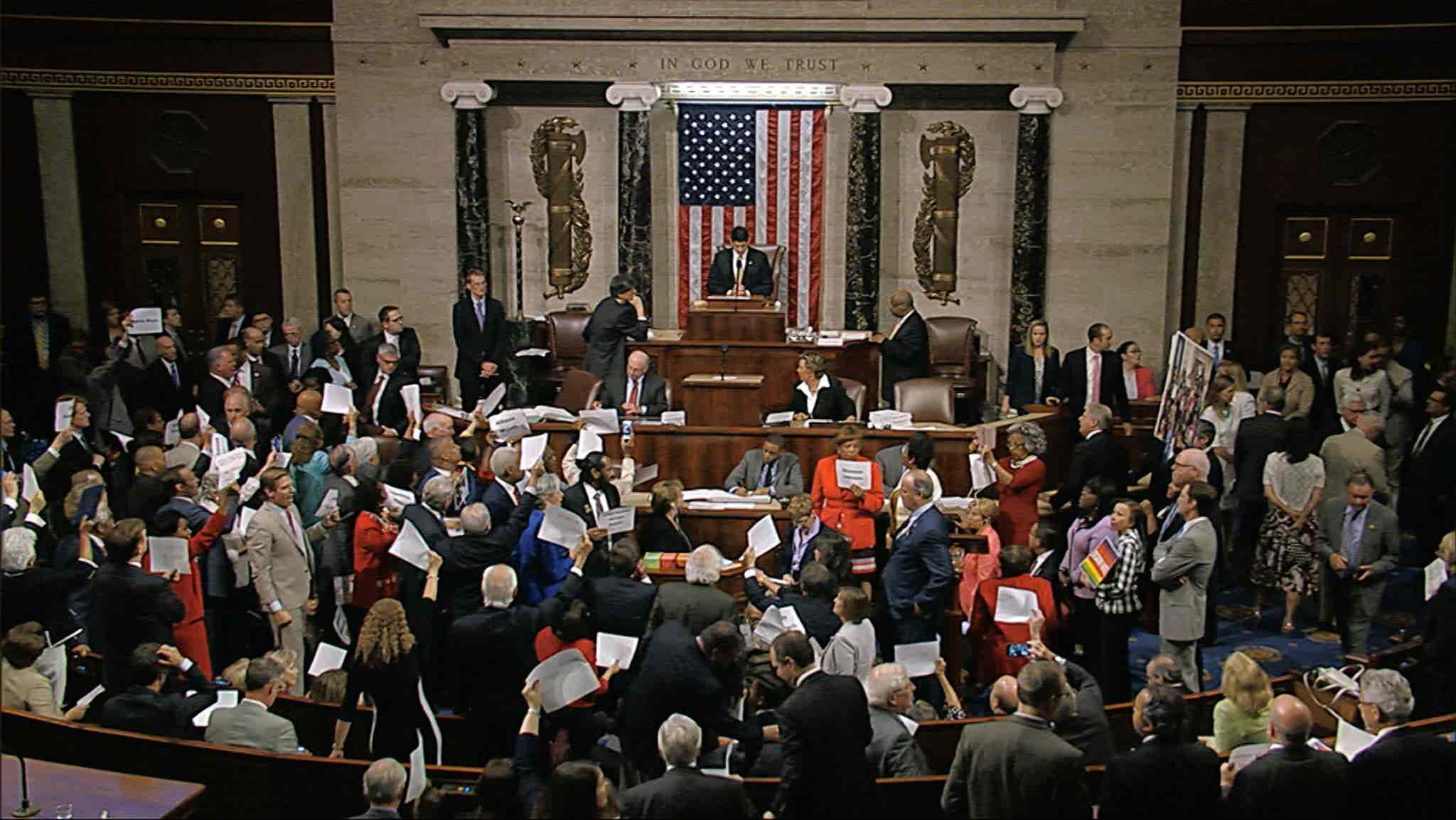
Legal and election experts have consistently refuted these claims. The primary Supreme Court case Trump referenced was not a direct challenge by him as president but a lawsuit filed by Texas seeking to invalidate results in Pennsylvania, Michigan, Georgia, and other states. The Court dismissed it for lack of standing (Texas had no legal right to challenge other states’ elections), and the merits were never reached. No credible evidence of widespread fraud or theft has emerged in the six years since, as confirmed by state officials, governors, Congress (which certified the results), and multiple independent reviews.
The outburst coincides with growing political pressures on Trump ahead of the 2026 midterms. Polling indicates Democrats are poised to gain significant ground in the House (potentially 30–40 seats) and possibly the Senate, raising fears of investigations into his business dealings, January 6-related matters, and other controversies. Analysts suggest the continued focus on 2020 serves as a distraction and rallying cry for his base while attempting to undermine confidence in future elections.
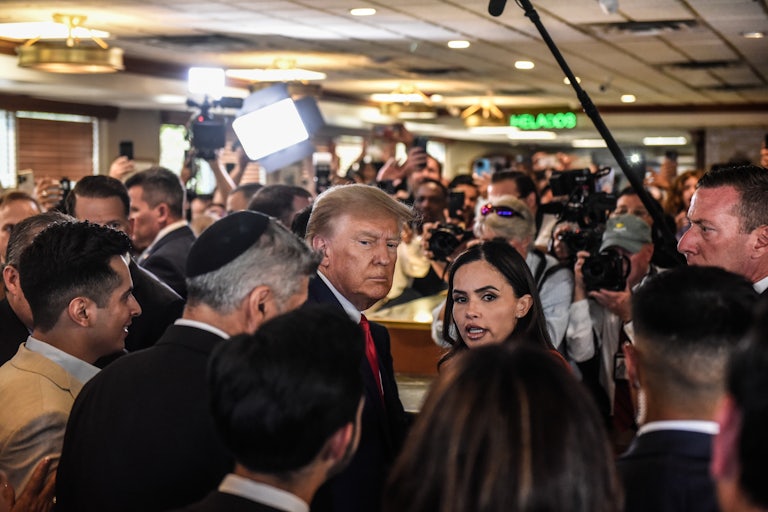
Related efforts include pushes for the SAVE Act (rebranded Save America Act), which aims to restrict voter registration, mail voting, and ballot access—measures critics view as voter suppression tactics. The bill faces steep hurdles in the Senate (requiring 60 votes) and has met resistance even from some Republicans, including Sens. Susan Collins, Lisa Murkowski, Mitch McConnell, John Curtis, and Thom Tillis. It is widely seen as unlikely to pass but serves as symbolic appeasement.
Additional concerns involve potential federal overreach in 2026 elections, such as:
- Raids on election offices (e.g., Fulton County, Georgia; Maricopa County, Arizona) for voting data.
- DOJ access to sensitive voter information in multiple states.
- FOIA lawsuits by the DNC seeking disclosure of any plans to deploy military, law enforcement, or ICE near polling sites—non-responses fueling speculation of interference.
Election integrity advocates stress the importance of vigilance, urging opposition to restrictive legislation, support for transparent processes, and participation in voting and legal challenges to protect democratic norms. The ongoing narrative around 2020, they argue, is not about evidence but about eroding trust in elections and justifying measures to influence future outcomes.
