
Iran’s newly appointed Supreme Leader, Mojtaba Khamenei (also referred to as Moshaba or Moshtaba Kame), aged 56 and son of the recently killed Supreme Leader Ali Khamenei, delivered his inaugural public message on March 9, 2026—roughly ten days into the ongoing U.S.-Israel military campaign against Iran. The address, broadcast shortly after his selection by the Assembly of Experts, framed Iran’s early resilience as decisive victories and outlined uncompromising war aims, sending shockwaves through Washington and global markets.
Key Elements of the Address In the statement, Mojtaba Khamenei described the conflict’s first phase as a “slap to America’s face that history will remember.” He listed specific achievements:
- The killing of American soldiers on regional bases,
- Disruption of oil infrastructure and export capabilities,
- Successful missile and drone strikes forcing evacuations from U.S. facilities in Gulf states.
He declared that “Iran has achieved victory in the first 10 days” and vowed unbreakable resolve until the “final demand” is met: the complete withdrawal of all U.S. military forces from the Middle East. The tone was defiant, rejecting negotiation in favor of continued resistance, and accusing the U.S. of seeking to partition Iran and seize its oil resources.
Context of the Appointment and IRGC Influence Mojtaba Khamenei’s selection followed the February 28, 2026, launch of Operation Epic Fury—U.S. and Israeli strikes that killed his father, Ali Khamenei, in a precision attack. The Islamic Revolutionary Guard Corps (IRGC) reportedly pledged allegiance to him before the civilian Assembly of Experts formalized the appointment, raising questions about constitutional adherence (Mojtaba lacks the traditional Ayatollah religious rank required under Iran’s system). Analysts describe this as evidence of IRGC consolidation of power, with the new leader positioned as a hardline figure aligned with the Guard’s radical ideology.
Senior IRGC commander Ibrahim Zulfiguri reinforced the message by warning Gulf states hosting U.S. assets to halt support or face reprisals, explicitly threatening an “energy war” that could target the Strait of Hormuz. Iran’s Foreign Minister Abasar echoed the stance, refusing talks and expressing confidence in repelling any ground invasion.
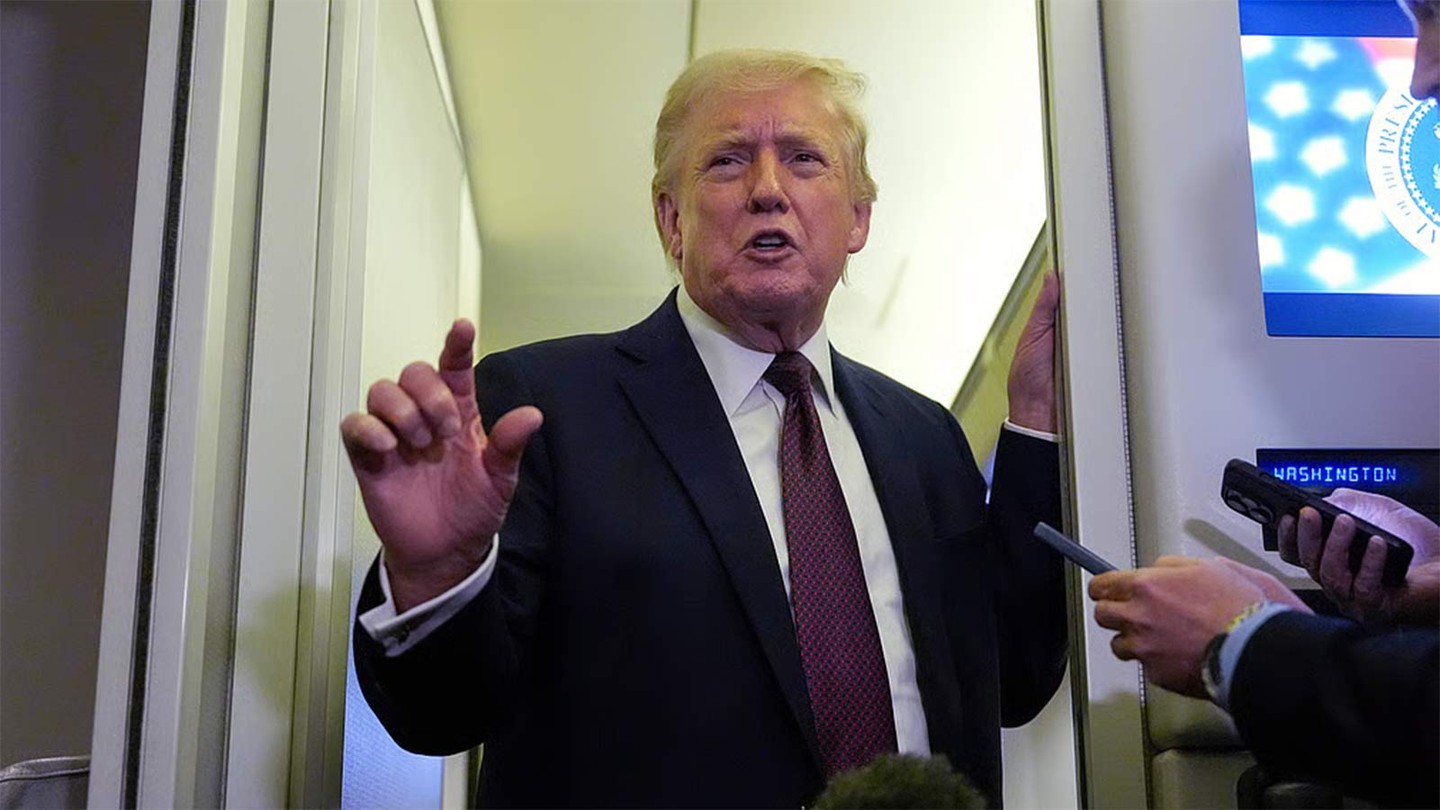
U.S. and Global Reactions President Donald Trump dismissed the new leader, stating he was “unacceptable” and predicting his tenure would be short without U.S. approval. He reiterated demands for unconditional surrender while acknowledging ongoing casualties (at least seven U.S. service members confirmed dead by March 9).
Oil markets reacted sharply: prices surged 56% in ten days, reaching $100 per barrel (with some analysts warning of $140–$180 if the Strait is disrupted), driven by fears of supply shocks and broader energy conflict. Diplomatic sources and experts (including Jonathan Panikoff of the Atlantic Council and Vali Nasr of Johns Hopkins) assessed the appointment as closing pathways to a swift ceasefire, signaling continuity and defiance over de-escalation. Former National Security Adviser John Bolton and retired Gen. Jack Keane described the rhetoric as preparation for prolonged fighting rather than diplomacy.
Counterarguments and Potential Off-Ramps Some observers note the new leader’s relatively unknown public record and Iran’s mounting economic pressures (internal unrest, sanctions, war costs) could create openings for back-channel negotiations or enforceable pauses. The IRGC’s dominance might enable pragmatic shifts if survival demands it, though public messaging remains uncompromising, with private outreach reportedly directed to China and Russia for support.
Broader Implications The address underscores the war’s escalation trajectory: failed regime-change aims have instead consolidated hardliners, with risks of wider regional involvement, catastrophic oil-price spikes (potentially pushing U.S. gas to $7–$9 per gallon), and shifting alliances. As casualties mount and economic fallout spreads, the conflict’s path—prolonged attrition, negotiated exit, or further internationalization—remains uncertain.
