
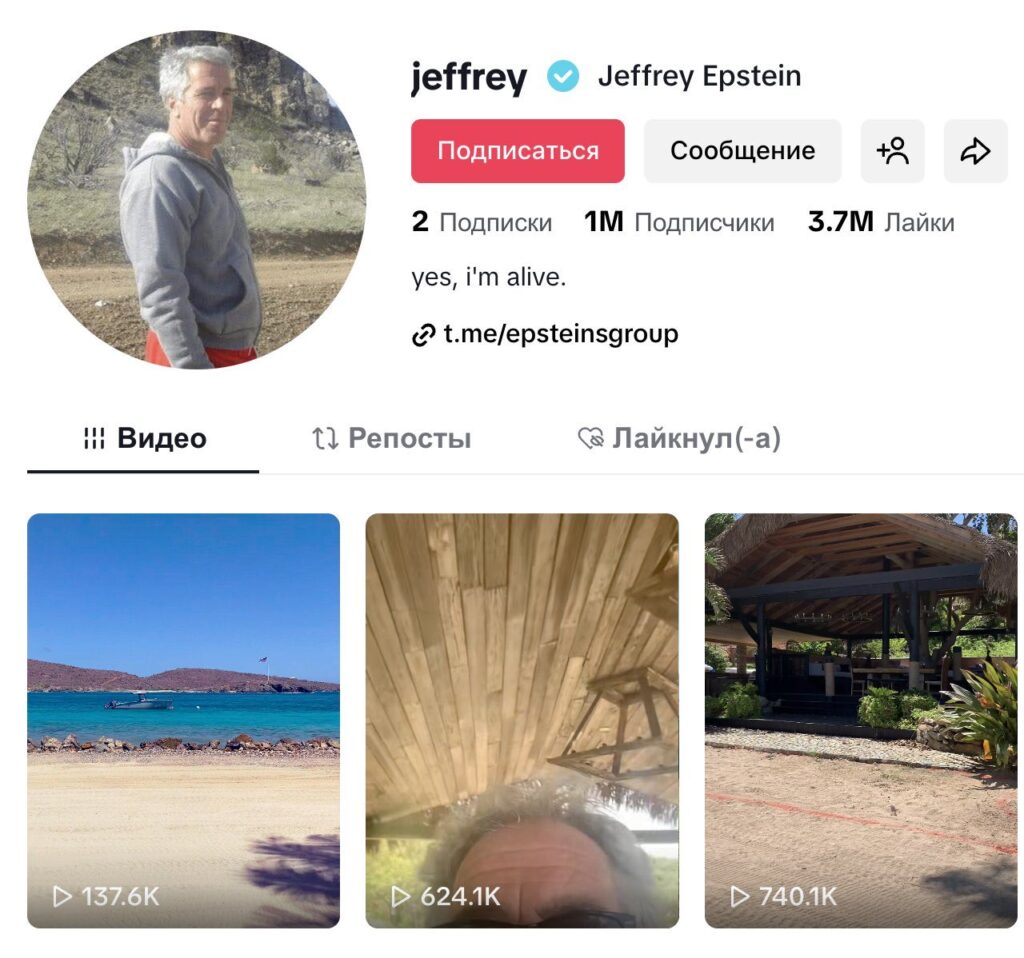
A bizarre and short-lived social media stunt captured widespread attention in mid-March 2026 when a TikTok account appearing under the name “Jeffrey Epstein”—the late financier and convicted sex offender who died in 2019—briefly gained verified status and amassed hundreds of thousands of followers. The account’s sudden appearance, rapid growth, provocative content, and equally abrupt disappearance fueled speculation, outrage, and questions about TikTok’s verification system and the spread of misinformation on platforms.
Account Details and Activity The profile, which emerged around March 14–15, 2026, featured a bio stating “Yes, I’m alive” and followed only two accounts: Benjamin Netanyahu and Donald Trump. It quickly posted a series of short videos, some reportedly using AI-generated or deepfake elements, including references to Epstein’s private island (Little St. James), cryptic replies to user comments (e.g., responding to “island invitation” queries with evasive or teasing remarks), and clips seemingly pulled from old files or unrelated footage (such as a child’s first steps or Paris scenes). Posts appeared frequently, with the last activity noted roughly two hours before the account became inaccessible.
Within hours of going live, the account reportedly gained nearly 800,000 to 1 million followers, an unusually rapid surge that TikTok’s algorithm amplified through trending feeds and duets/reactions. Comments sections filled with a mix of shock, morbid curiosity, jokes about Epstein’s age or “comeback,” and outright admiration from some users who called him an “idol” or speculated on conspiracy theories.
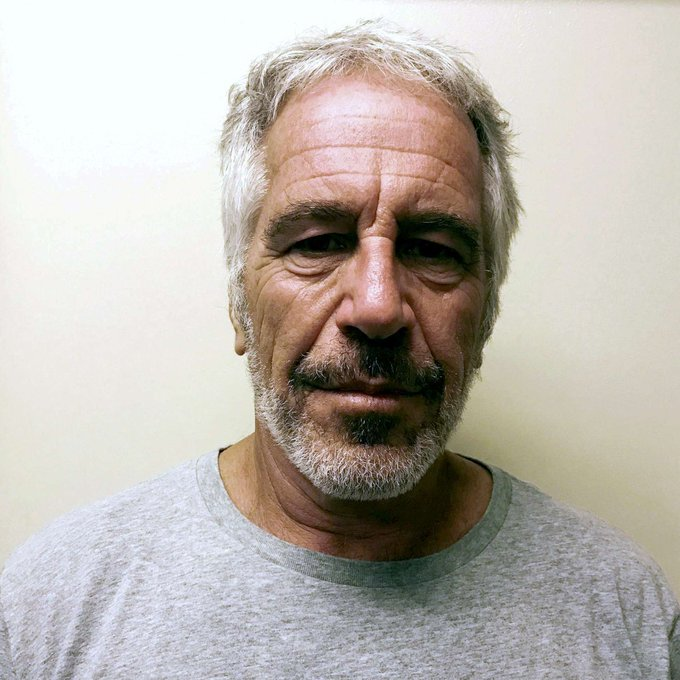
Verification Controversy and Platform Response TikTok’s blue-check verification—intended for public figures, brands, celebrities, and notable entities—requires application, identity proof, and adherence to community guidelines. The account’s verified status raised immediate red flags, as Epstein has been deceased since August 2019 (officially ruled suicide, though widely debated). Critics questioned how a deceased individual’s profile could pass verification, gain blue-check status in under a day, and post actively without apparent moderation intervention.
TikTok did not issue an official statement on the incident by March 16, 2026, but the account vanished shortly after going viral—searches returned no results, no blue check, and no trace of posts. Possible explanations include:
- Removal by TikTok for impersonation or policy violation (impersonating a deceased person or spreading harmful misinformation).
- Self-deletion by the creator(s) after achieving viral attention.
- A temporary glitch or shadow-ban that hid the profile.
- Deliberate troll/catfishing operation designed to exploit shock value and algorithm amplification.
Public Reaction and Broader Implications The episode triggered a wave of reactions across TikTok, X (formerly Twitter), and other platforms, with users sharing screenshots, screen recordings, and commentary expressing confusion (“What is going on?”), alarm (“This is absolutely insane”), and theories ranging from desensitization campaigns (normalizing Epstein’s crimes) to elaborate hoaxes by trolls or AI experimenters. Some speculated the account might expand to Instagram, Facebook, or YouTube before being taken down.
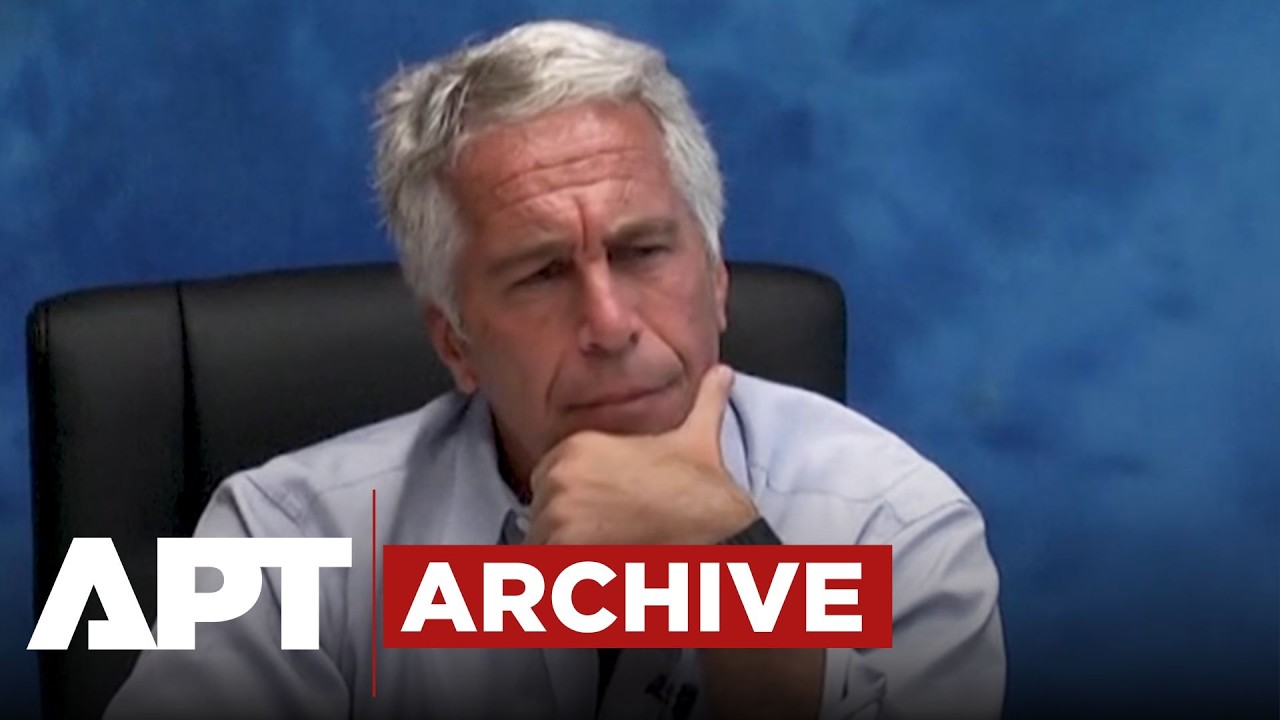
The rapid follower growth and engagement highlighted how sensational, controversial, or morbid content can exploit platform algorithms for visibility, often outpacing fact-checking or moderation. It also underscored ongoing challenges with deepfakes, impersonation, and the ethical boundaries of posthumous digital personas, especially involving figures tied to serious criminal allegations and high-profile scandals.
As of mid-March 2026, no credible evidence suggests the account was operated by anyone connected to Epstein’s estate, family, or associates. The incident appears to have been a fleeting viral prank or hoax that capitalized on public fascination with Epstein-related conspiracies. Users are advised to approach such content with skepticism, verify sources independently, and report suspicious profiles to platforms.
The event serves as a reminder of social media’s speed in amplifying unverified or fabricated stories—and the importance of critical thinking amid the noise.
