
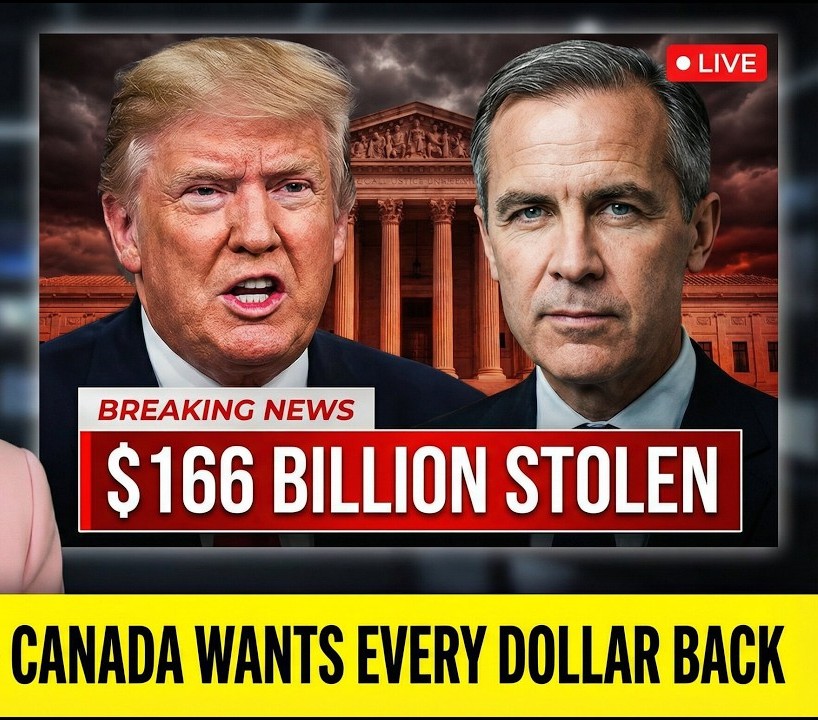
On February 20, 2026, the U.S. Supreme Court ruled 6-3 that President Donald Trump’s broad tariffs—imposed under the International Emergency Economic Powers Act (IEEPA)—were unlawful. Authored by Chief Justice John Roberts, the majority opinion (joined by three Republican-appointed justices) invoked the major questions doctrine, holding that the 1977 emergency statute could not delegate vast taxing authority to the executive without explicit congressional direction. The Constitution reserves the power to lay and collect duties exclusively for Congress, rendering the tariffs—covering virtually all imports from every trading partner—invalid.
The tariffs had generated approximately $166 billion in revenue, collected from U.S. importers (not foreign governments), with costs largely passed to American consumers and businesses through higher prices on goods like car parts, aluminum cans, Canadian lumber, and fentanyl-related imports. Over 2,000 companies filed refund claims in the U.S. Court of International Trade, with Penn Wharton estimates projecting total liability (including interest) at around $175 billion. On March 5, 2026, the court issued its first refund order, directing payments plus interest; the administration has stipulated compliance only after a “final and unappealable” ruling but is actively litigating the definition of finality to delay disbursement.
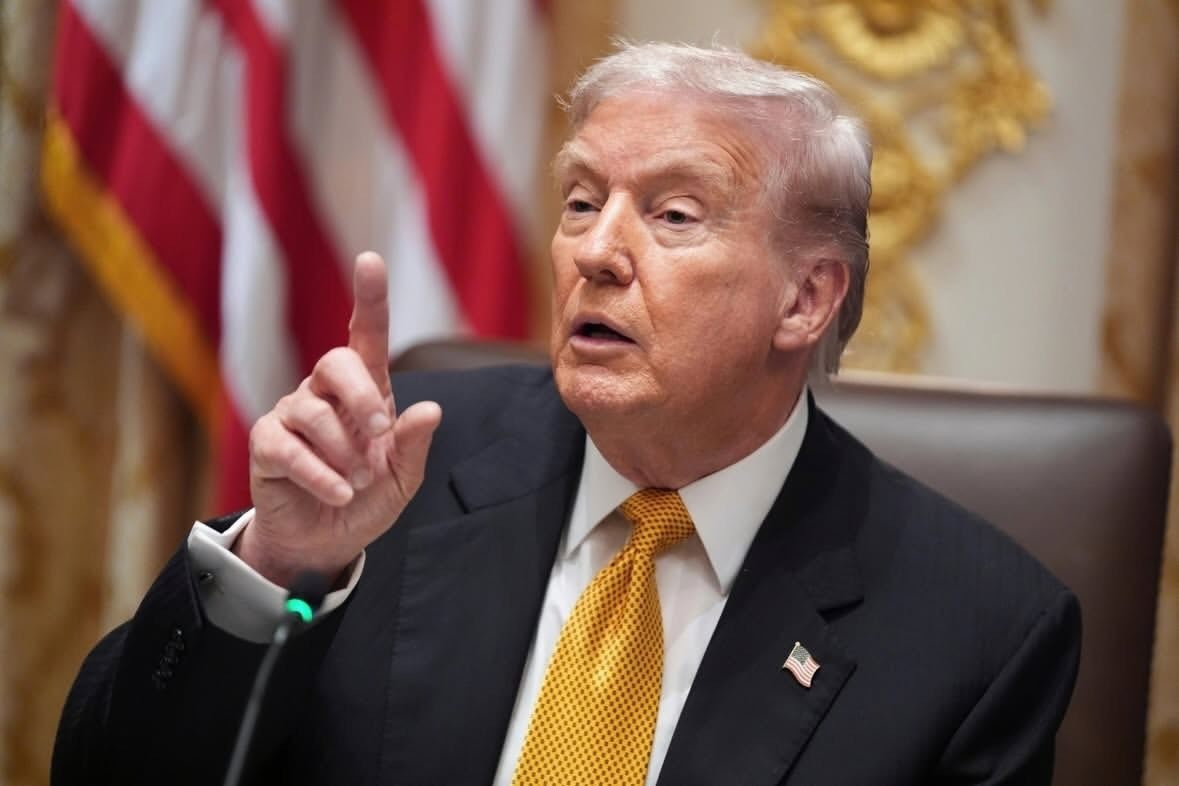
Canada’s Three-Pronged Counter-Offensive In response, Prime Minister Mark Carney’s government announced a comprehensive legal and economic strategy to recover Canadian-linked duties and constrain future unilateral U.S. tariff actions.
- Refund Offensive Canada is advising businesses to review U.S. entry data, file protests under U.S. trade law, and coordinate through American trade councils. The government is building a systematic claims apparatus to pursue refunds, potentially totaling $8–15 billion based on trade volumes and applicable rates. Refunds would flow back through supply chains to Canadian exporters, while creating U.S. constituencies (importers, manufacturers) opposed to similar policies and generating evidentiary records for future disputes.
- WTO and CUSMA Challenge Matrix Building on prior filings—WTO cases on steel/aluminum (March 2025) and auto tariffs (April 2025)—Canada is strengthening arguments that unauthorized domestic tariffs violate international commitments. The Supreme Court ruling bolsters these claims by confirming lack of legal authority. A major CUSMA (USMCA) showdown is anticipated during the July 2026 review, where Canada plans to demand binding commitments against unilateral tariffs and seek compensation.
- Reverse Section 301 Case at WTO and CUSMA Canada is constructing an evidentiary case documenting alleged U.S. unfair trade practices, including:
- Imposition of $166 billion in duties without legal basis (Exhibit A).
- 100% tariff threats against Canada over a China-related deal shortly after public praise (Exhibit B, violating most-favored-nation treatment).
- Section 232 national-security tariffs on Canadian steel, aluminum, and autos, deemed incoherent given shared NATO/NORAD ties and military history (Exhibit C, with prior WTO rulings against the U.S.).
- Cancellation of trade talks after Ontario used Ronald Reagan quotes criticizing tariffs in an ad, interpreted as retaliation for protected speech (Exhibit D).
- Broader economic coercion via threats, asset freezes, and “51st-state” rhetoric, undermining the post-1945 rules-based order (Exhibit E).
Shifting U.S. Tariff Tactics and Ongoing Challenges After the ruling, the administration pivoted from IEEPA to Section 122 of the 1974 Trade Act (allowing temporary 15% tariffs for 150 days on balance-of-payments issues, set to expire July 2026) and initiated Section 301 investigations against 15 economies for structural overcapacity. These require evidence, public hearings, and months of process. Separate Section 232 tariffs on Canadian goods remain in litigation. A House vote to repeal Canada-specific tariffs and lawsuits from 24 state attorneys general add pressure.
Economic and Strategic Fallout The tariffs created widespread uncertainty, disrupting supply chains and inflating prices. General Motors disclosed $3–4 billion in expected 2026 costs, while broader estimates suggest an additional $700 annual burden per U.S. household amid concurrent oil-price spikes from the Iran conflict. Canada aims for full restitution through legal attrition (2–3 years via courts, WTO, CUSMA), the July 2026 CUSMA review, or long-term trade reorientation toward Europe, Asia, and the Pacific if unilateral threats persist.
The Supreme Court decision marks a major check on executive trade authority, while Canada’s multifaceted response seeks both financial recovery and systemic constraints on future tariff weaponization under the rule of law.
