
On day 16 of the ongoing U.S.-Israel military campaign against Iran—dubbed “Operation Epic Fury”—escalation continued with Israel launching wide-scale strikes on targets in western Iran, according to the Israeli military. Iran and Israel exchanged overnight attacks, while missile and drone interceptions were reported across Gulf states, with debris impacting residential areas, luxury hotels, and airports in cities including Dubai and Doha. Oil operations in Fujairah reportedly resumed despite the disruptions.
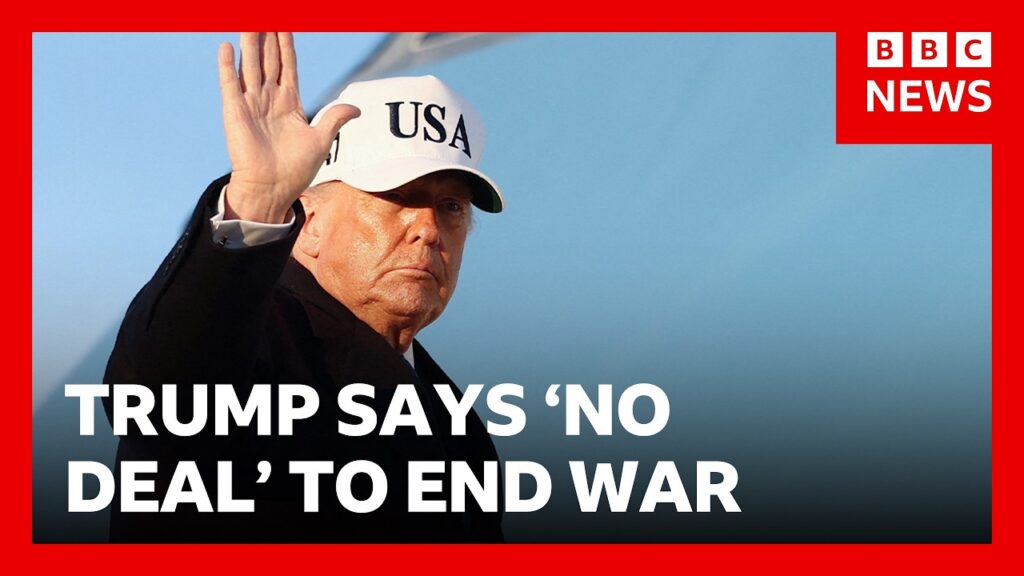
U.S. President Donald Trump, in an interview with NBC News, stated that Iran appeared ready to negotiate an end to the war but emphasized that the U.S. was not prepared to accept a deal under current terms. He insisted any agreement must require Iran to completely abandon its nuclear ambitions. Trump claimed U.S. forces had “totally demolished” Kharg Island (also known as Khark or KG Island), Iran’s primary oil export terminal responsible for approximately 90% of its crude shipments—much of it destined for China. He added that further strikes on the island could occur “just for fun” if needed, while maintaining that only military targets had been hit so far. Trump warned, however, that civilian or economic infrastructure could become targets if Iran persisted in attacking commercial shipping in the Strait of Hormuz.
Trump publicly called on allies—including the UK, France, and China—to deploy warships to help reopen and secure the Strait of Hormuz, a critical global oil chokepoint. He posted on Truth Social that nations reliant on oil transit through the route must contribute to its protection. Iran responded by declaring the strait open only to its allies and closed to adversaries, heightening fears of broader economic fallout.
Regional Reactions and Escalation Risks Iran issued evacuation warnings to the United Arab Emirates for populations in key port zones including Abu Dhabi, Dubai, and Fujairah. Iranian Foreign Minister Abbas Arachi denied targeting civilian or residential areas in the Gulf, asserting that strikes were limited to U.S. military interests (such as air bases in Iraq, Kuwait, and a UAE facility used for American logistics). Tehran proposed forming a joint committee with neighboring states to investigate responsibility for the attacks.
In Lebanon, over 800 people have been killed in Israeli strikes targeting Iran-backed Hezbollah militants since mass evacuation orders were issued, according to the Lebanese Health Ministry. Hundreds of thousands have fled their homes. Mediation talks between Israel and Lebanon—potentially hosted in France or Cyprus—were under discussion, marking the first direct negotiations since the 1980s. However, skepticism persists about Hezbollah’s willingness to comply with any outcomes, given its close coordination with Iran.
UK Energy Secretary Ed Miliband told the BBC that “any option that can get the Strait of Hormuz reopened is being looked at,” reflecting international concern over energy supply disruptions.
Human and Strategic Costs The conflict has claimed significant lives on multiple fronts, including the recent crash of a U.S. military aircraft in western Iraq that killed six crew members (photos of the fallen were released publicly). Gulf states reported civilian impacts from intercepted projectiles, underscoring the risk of wider regional involvement.
As diplomatic channels remain strained and military actions intensify, the path to de-escalation appears uncertain. Trump’s rejection of immediate negotiations, combined with threats of expanded targeting, signals that the U.S. seeks more favorable terms before halting operations.
