
In a significant 5-4 decision issued on February 21, 2026, the U.S. Supreme Court invalidated key executive tariffs imposed by President Donald Trump, ruling that they exceeded delegated congressional authority under the non-delegation doctrine and Article I commerce powers. Justices Neil Gorsuch and Amy Coney Barrett—both appointed by Trump—joined the liberal wing (Justices Sotomayor, Kagan, Jackson) and Chief Justice Roberts in the majority, marking a notable break from the Court’s pattern of supporting the administration in 24 out of 28 emergency “shadow docket” applications since early 2025.
The ruling stemmed from challenges arguing that the tariffs—intended to address trade imbalances and national security concerns—lacked sufficient congressional guidance and improperly delegated legislative power to the executive. Lower courts had already blocked related policies, including election integrity measures requiring proof of citizenship for voting, shortened mail-ballot deadlines, certain deportation procedures, and workforce reductions under the Department of Government Efficiency (DOGE) initiative.
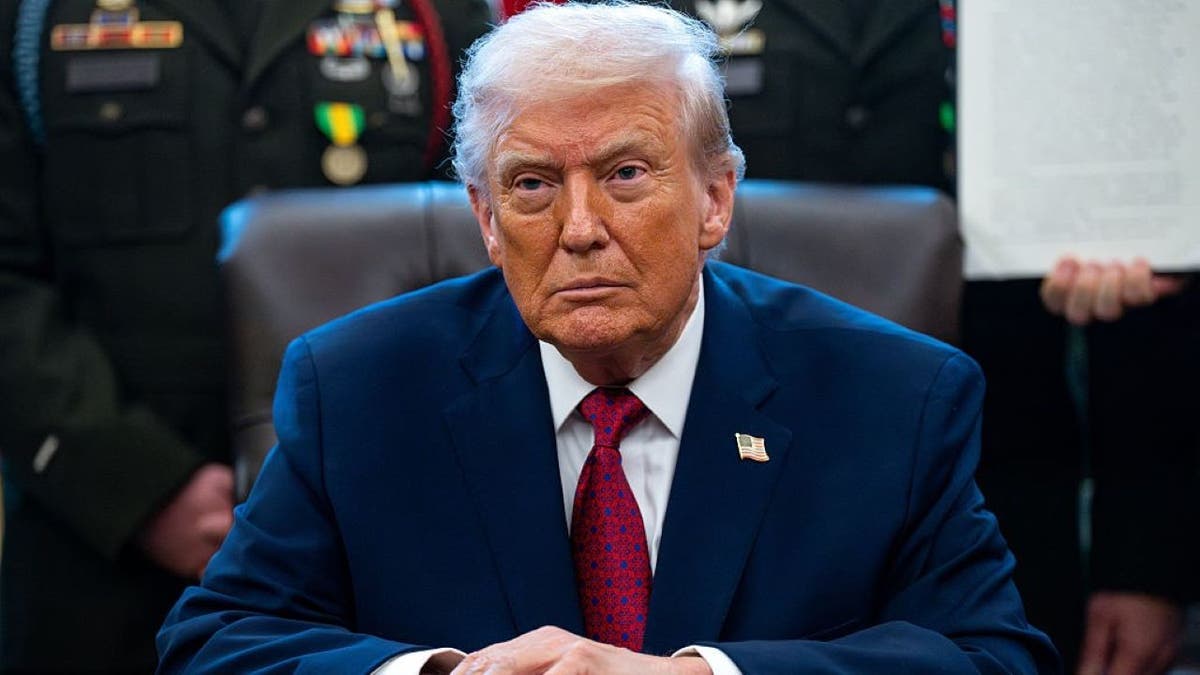
Administration Response and Escalation President Trump reacted swiftly on social media, labeling the justices “lap dogs for Democrats” and insinuating foreign influence without providing evidence. On February 10, 2026, the Department of Justice—under Attorney General Pam Bondi—issued a directive to federal prosecutors to compile a list of “egregious” federal judges whose rulings were deemed overly partisan or obstructive. Critics described this as an unprecedented step toward judicial intimidation, potentially chilling independence by signaling retaliatory impeachment proceedings in the House.
Impeachment authority rests solely with Congress under Article I of the Constitution; the Supreme Court has no role in initiating or conducting impeachments. No formal impeachment proceedings against justices have advanced, and legal experts note that such efforts would face steep constitutional hurdles, requiring a House majority vote and two-thirds Senate conviction for removal.
Broader Context and Judicial Pushback The tariff decision is part of a growing pattern of judicial checks on executive actions in 2026. Federal courts have issued injunctions against multiple policies, citing overreach on immigration, elections, and administrative restructuring. Amid these losses, the administration has pursued aggressive rhetoric, with some allies framing court opposition as political bias despite the conservative majority on the bench.
The ruling is seen by economists as a potential relief for households, as blocked tariffs could reduce inflationary pressures on imported goods. However, it has intensified debates over separation of powers, with supporters arguing the Court is enforcing constitutional limits, while critics accuse it of undermining executive prerogatives in trade and security.
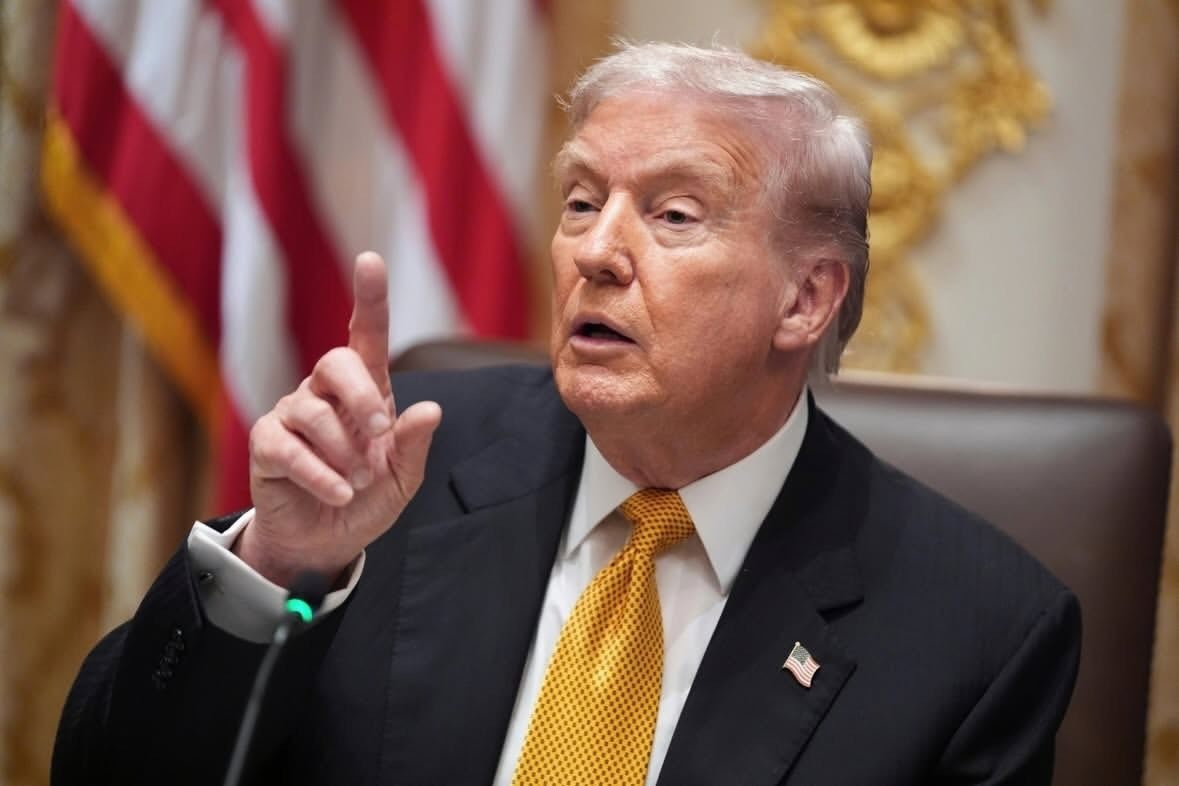
Related Congressional Scrutiny In a separate but overlapping House Judiciary Committee hearing (around the same period), Chairman Jim Jordan pressed Attorney General Bondi on delays in indicting alleged co-conspirators linked to Jeffrey Epstein’s network. The exchange featured interruptions over time limits and witness responses, highlighting ongoing tensions between congressional oversight and the Justice Department.
Implications As economic challenges mount— including Great Recession-level layoffs in some sectors, gas prices exceeding $100 in parts of the country, and Trump’s approval rating hovering around 36%—the judicial-executive friction adds to perceptions of governance instability. The midterms in November 2026 loom as a potential referendum on these dynamics, with voter backlash possible if court losses and policy blocks continue to dominate headlines.
The decision reinforces that even a reshaped Supreme Court will not rubber-stamp all executive initiatives, underscoring enduring checks and balances amid heightened political polarization.
