
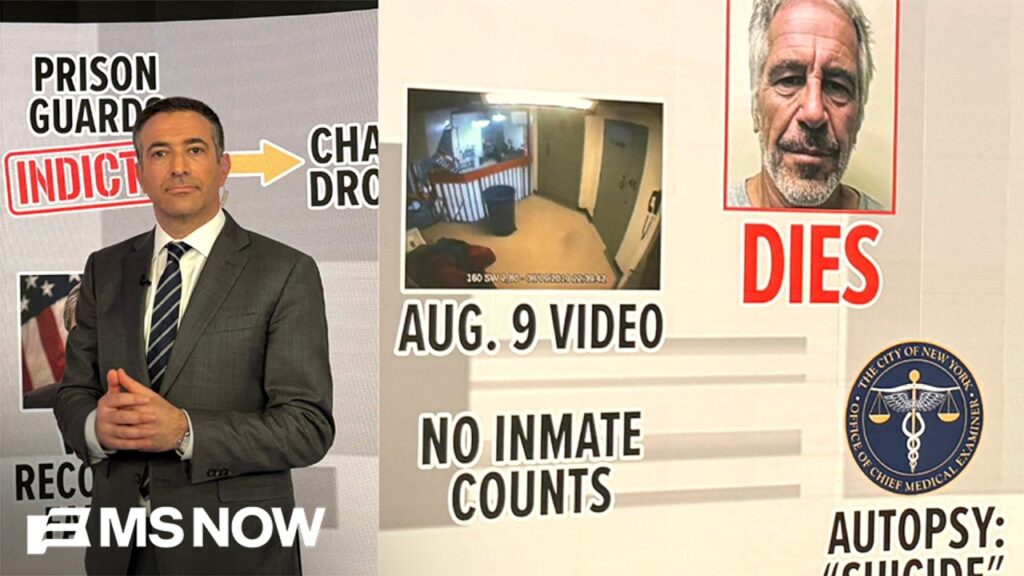
Jeffrey Epstein died on August 10, 2019, in his cell at the Metropolitan Correctional Center (MCC) in New York while awaiting federal trial on sex-trafficking charges. The official ruling was suicide by hanging, but a detailed examination of the events reveals multiple procedural failures, forensic discrepancies, and investigative hurdles that continue to fuel skepticism.
Key Timeline of Events and Anomalies
- July 23, 2019: Epstein was found semi-conscious with a bedsheet around his neck in a shared cell. He was placed on suicide watch briefly before removal.
- August 9–10, 2019: Epstein’s cellmate was transferred out without replacement, violating protocol. Guards assigned to check every 30 minutes failed to do so for roughly eight hours. Surveillance cameras in the Special Housing Unit area malfunctioned; reports indicate only one of six cameras was operational, and footage was unusable or absent.
- Discovery and Immediate Aftermath: Epstein was found unresponsive around 6:30 a.m. on August 10. Staff initiated CPR and transported him to a hospital, where he was pronounced dead. The body was removed from the scene relatively quickly, with critics noting limited on-site forensic preservation.
- Autopsy and Forensic Disputes: Independent pathologist Dr. Michael Baden, retained by Epstein’s brother, observed fractures to the hyoid bone and both thyroid cartilages—breaks he described as more consistent with homicidal strangulation than a low-drop suicidal hanging (the cell bunk was about four feet high). Baden concluded the evidence pointed to strangulation rather than hanging. The official New York City medical examiner maintained suicide, though acknowledging such fractures can occur in either scenario.

Additional Red Flags Investigative reporting highlighted unexplained financial activity: documented cash deposits totaling thousands of dollars to at least one MCC correction officer around the time of Epstein’s death, raising questions about potential influence or payments. A 2020 internal email from within the Trump-era Department of Justice reportedly referred to Epstein’s death as “murder” in preliminary communications, though the official position remained suicide.
Documents obtained through FOIA and other requests show federal authorities instructed NYPD investigators to stand down shortly after the incident, limiting local involvement. The crime scene was reportedly compromised by federal personnel before full forensic processing, including movement of evidence and limited chain-of-custody documentation.
Broader Investigative Context The Department of Justice’s 2023 inspector general report confirmed “numerous and serious failures” at MCC—including staffing shortages, falsified logs, and inadequate monitoring—but attributed the death to suicide enabled by negligence, not foul play. No criminal charges resulted from the internal probe, and guards faced administrative discipline only.
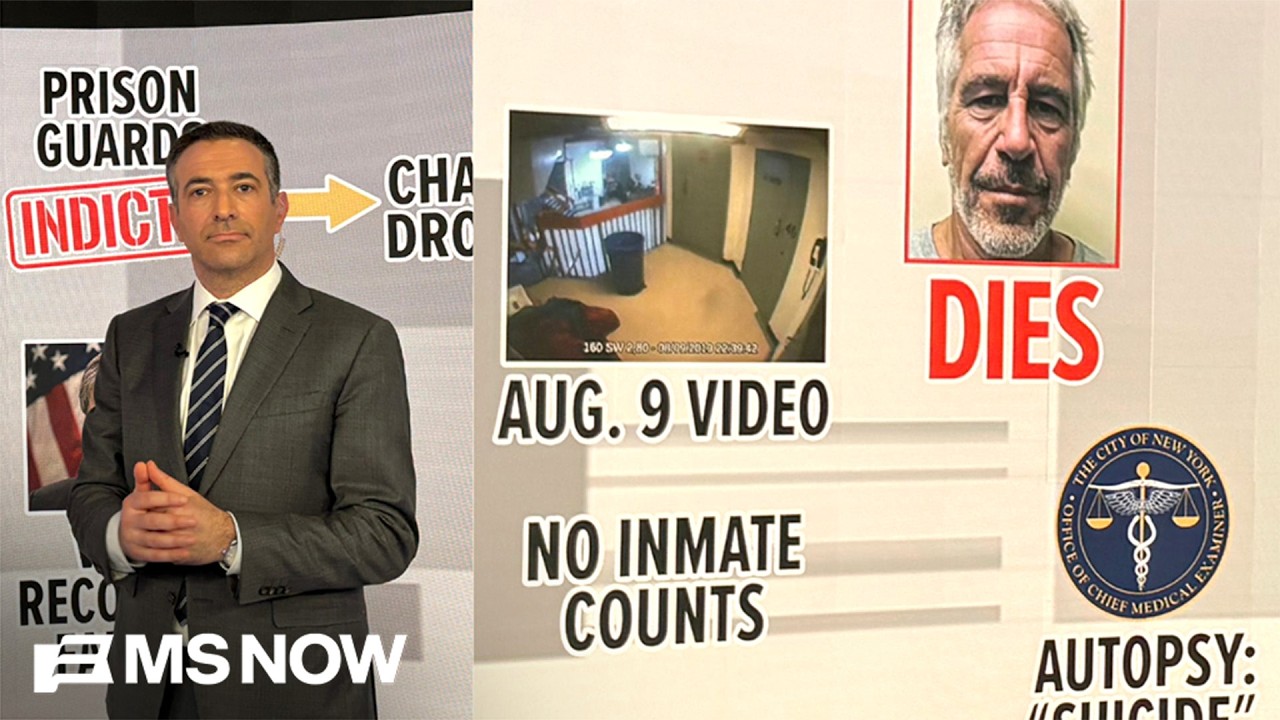
Persistent questions remain: Why were cameras non-functional in a high-risk unit? How did guards miss required checks without immediate accountability? What explains the forensic pattern and rapid body removal? Advocates for reinvestigation argue these elements, combined with Epstein’s connections to powerful figures, suggest the possibility of foul play or deliberate silencing to prevent testimony.
The case underscores systemic issues in federal detention facilities and the challenges of transparent investigations involving high-profile detainees. As new document releases and public scrutiny continue into 2026, the Epstein death timeline stands as one of the most debated custodial fatalities in recent U.S. history, with calls for renewed independent review to address lingering inconsistencies.
