
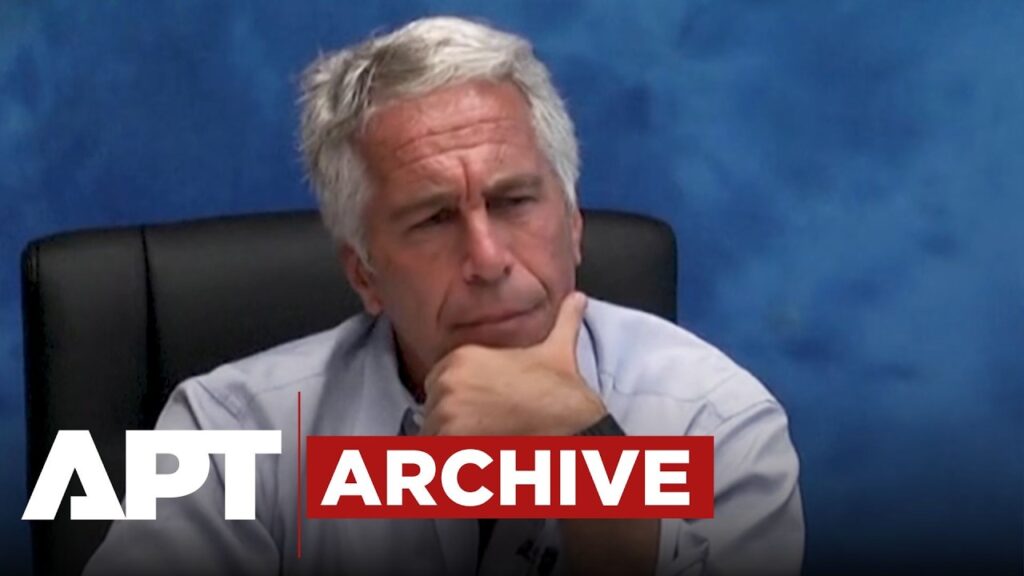
Jeffrey Epstein’s 2010 Deposition: Repeated Invocations of Constitutional Rights When Questioned on Attraction to Underage Girls
In February 2010, Jeffrey Epstein sat for a deposition under oath as part of a civil lawsuit stemming from allegations tied to his 2008 Florida criminal case. The session, lasting nearly 90 minutes, was conducted by plaintiff’s attorney Brad Edwards and featured frequent interruptions and objections from Epstein’s legal team. Newly released portions of the U.S. Department of Justice files have brought renewed public attention to Epstein’s responses—or lack thereof—when pressed on core allegations of sexual misconduct involving minors.
The Key Exchange The deposition included direct questioning about Epstein’s sexual preferences and history. One pivotal moment came when the attorney asked: “Mr. Epstein, how long have you been sexually attracted to underage minor females?”
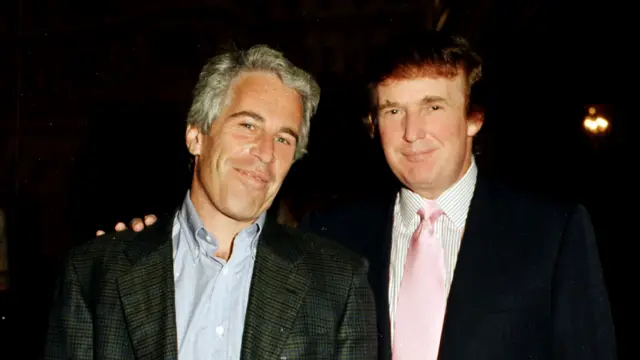
Epstein’s counsel immediately objected, characterizing the question as “harassing” and “argumentative.” Epstein, following his attorneys’ advice, invoked his Fifth, Sixth, and Fourteenth Amendment rights, stating: “I have to follow my attorney’s advice. They have told me that I must invoke my fifth, sixth, and 14th amendment right to uh not answer those questions today or any questions relevant to this lawsuit.”
Similar invocations occurred throughout the session whenever questions touched on attraction to minors, recruitment of underage girls, or the use of minors to procure others. Epstein repeatedly declined to answer, citing constitutional protections against self-incrimination and due process.
Context of the 2008 Plea and Related Claims The questioning centered on Epstein’s 2008 guilty plea in Florida, where he admitted to one count of solicitation of prostitution and one count of procuring a minor for prostitution (serving 13 months with work release). During the deposition, Epstein insisted his plea was limited to “solicitation of prostitution… Not underage prostitution. prostitution.” When pressed on whether the victims were minors or if underage females were involved in recruiting others, he responded with variations of “I don’t know,” claimed ignorance of underlying facts, or deferred to his plea without elaboration.
The attorney highlighted allegations that Epstein used underage minors to bring additional underage girls to his properties, framing it as part of a broader pattern. Epstein accused the plaintiff’s legal team of fraud, referencing a U.S. Attorney’s alleged description of similar cases as “perpetrating one of the largest frauds in South Florida’s history by crafting malicious cases of a sexual nature against people like me.” He positioned the litigation as an unfair assault rather than legitimate inquiry.
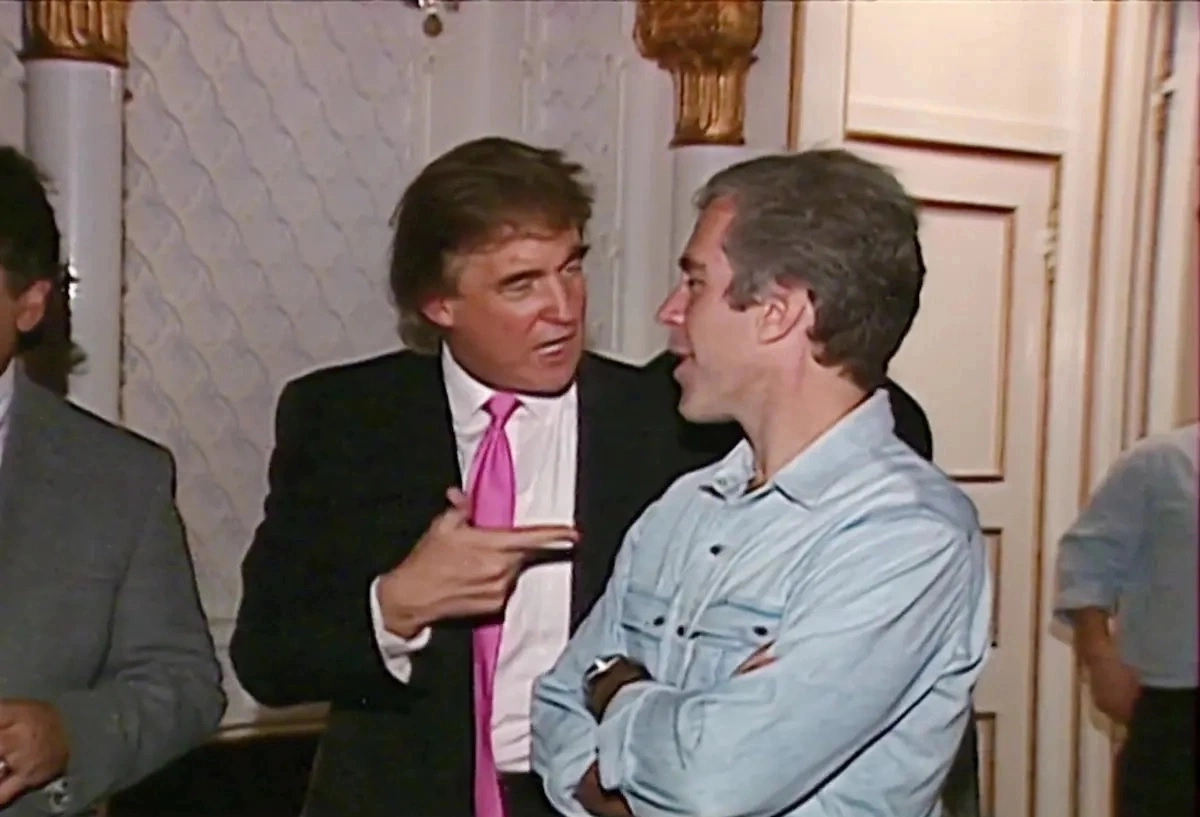
Broader Implications The deposition exemplifies Epstein’s strategy of stonewalling through constitutional assertions and legal objections in civil proceedings related to his criminal history. While the 2008 non-prosecution agreement shielded him and certain co-conspirators from federal charges at the time, subsequent federal investigations (including his 2019 arrest) and victim testimonies painted a picture of systemic abuse involving dozens of underage girls.
The release of these DOJ files—including deposition footage and related documents—has reignited scrutiny of how high-profile figures navigated accountability in sex-trafficking and abuse cases. Critics argue the repeated refusals to answer substantive questions underscore gaps in earlier resolutions, while supporters of full transparency point to the footage as evidence of evasion rather than innocence.
No new criminal charges arose directly from this 2010 deposition, but it remains a key piece in understanding Epstein’s defense tactics amid mounting civil claims and survivor accounts.
