
Just In: Court Orders Trump Administration to Begin Refunding $130 Billion in Tariffs Invalidated by Supreme Court
NEW YORK — In a landmark ruling with massive implications for the U.S. economy and international trade, a federal judge on Wednesday ordered the Trump administration to begin the process of refunding more than $130 billion in tariffs that the Supreme Court declared illegal last month .
Judge Richard Eaton of the U.S. Court of International Trade in Manhattan issued an order directing U.S. Customs and Border Protection (CBP) to finalize import entries without assessing duties under the International Emergency Economic Powers Act (IEEPA), effectively forcing the government to reimburse hundreds of thousands of companies that paid the now-invalidated levies .
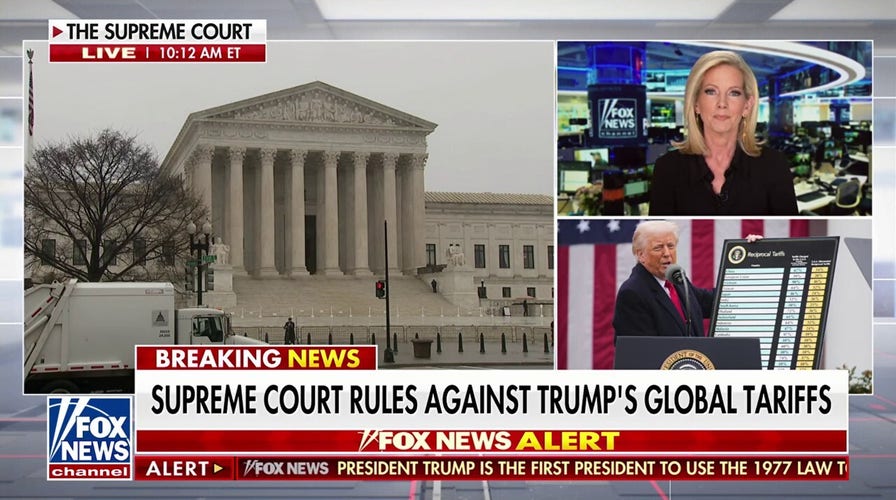
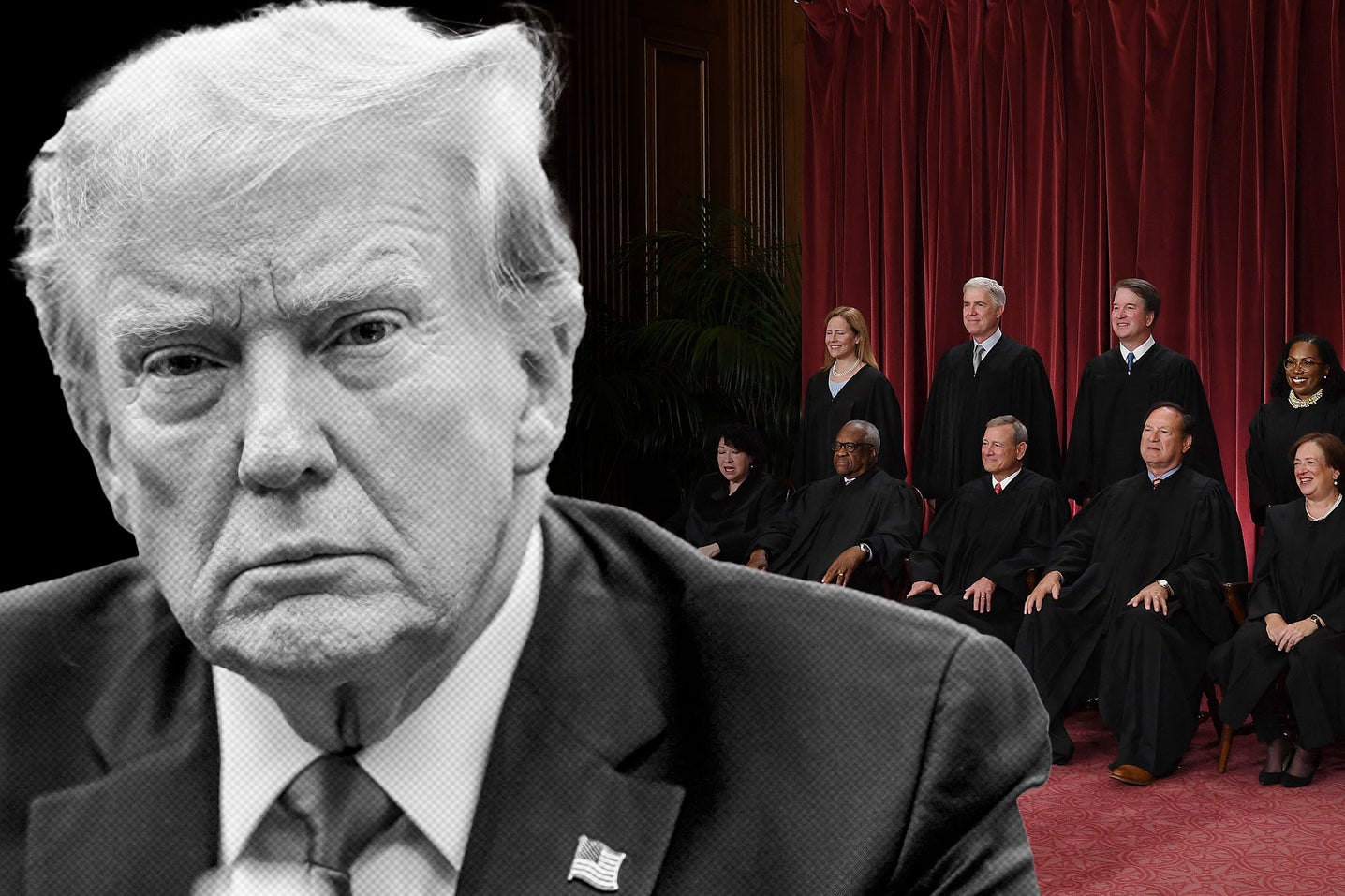
The order comes just two weeks after a 6-3 Supreme Court decision in Learning Resources, Inc. v. Trump that stripped President Donald Trump of his authority to unilaterally impose sweeping tariffs under IEEPA. The high court found that tariffs are taxes, and under Article I of the Constitution, the power to tax belongs exclusively to Congress .
“The Court has made it abundantly clear: if the Supreme Court says the tariffs are illegal, then everyone—literally everyone—who paid them should get a refund,” said Ted Murphy, a partner at Sidley Austin, commenting on the implications of the ruling .
The decision is a significant financial blow to the Treasury and a major victory for U.S. importers. According to the Penn Wharton Budget Model, the government collected over $130 billion from the tariffs by mid-December 2025, a figure that could ultimately reach $175 billion when accounting for interest, which the government has confirmed it will pay .
A Rebuke to Administration Stalling
The court’s order represents a firm rejection of the administration’s attempts to delay the inevitable. Just days earlier, the U.S. Court of Appeals for the Federal Circuit refused a Justice Department request to hit the “pause button” for 90 days, sending the case to the Court of International Trade to work out the mechanics of the refunds .
Judge Eaton showed little patience for arguments that the process would be too burdensome. While CBP had warned that processing refunds could require the manual review of more than 70 million import entries, Eaton noted that the agency issues refunds for overpayments “every day” and should be capable of programming its systems to handle the task . He ordered that refunds be made with interest and scheduled a follow-up hearing for Friday to assess the agency’s progress .
“This order strongly suggests an across-the-board approach that importers are entitled to IEEPA refunds, full stop,” said Ryan Majerus, a partner at King & Spalding and a former senior Commerce official .
The ruling affects a vast swath of the American economy. More than 300,000 importers—ranging from multinational corporations like FedEx and L’Oreal to thousands of small businesses—paid the tariffs, which were originally justified by the administration as a response to the fentanyl crisis and as a tool for reciprocal trade deals . More than 2,000 lawsuits had already been filed against the government seeking reimbursement .
While the order is cause for celebration among trade lawyers and importers, experts caution that the path to actually receiving a check remains complex. Mike Snarr, a partner at BakerHostetler, noted that the government is “almost certain” to appeal the order, which could delay payouts . The government may argue that the court’s order is too broad.
Furthermore, the mechanics of distribution are daunting. CBP must identify all entries subject to the IEEPA tariffs, many of which have already been liquidated (finalized). The judge’s order instructs the agency to “reliquidate” those entries without the illegal duties .
“It’s not like there’s over a hundred billion dollars sitting in a room somewhere to just cut checks,” noted Siddartha Rao, a partner at Hoguet Newman Regal & Kenney. “This is a Treasury problem” .
The New Tariff Landscape
The Supreme Court’s ruling and the subsequent refund order have forced the White House to pivot quickly. Even as it fights the refund process, the administration has erected a new tariff wall using different legal authorities.
On the same day as the Supreme Court ruling, President Trump issued a proclamation imposing a 10 percent tariff on a wide range of global imports under Section 122 of the Trade Act of 1974, a law that allows temporary duties to address balance-of-payments deficits . These new levies, which took effect on February 24, are expected to remain in place for 150 days unless extended by Congress .
Additionally, the administration is expanding investigations under Section 301 and Section 232, which could lead to further duties on specific products and trading partners . These tariffs remain unaffected by the Supreme Court’s IEEPA ruling.
For now, trade lawyers are advising their clients to preserve all records of IEEPA tariff payments and to file administrative protests with CBP to protect their legal rights while the judicial process unfolds .
As Judge Eaton convenes his Friday hearing to oversee the initial steps of what will be the largest tariff refund in U.S. history, one thing is clear: the battle over who bears the cost of trade policy—and who reaps the rewards—is far from over.
